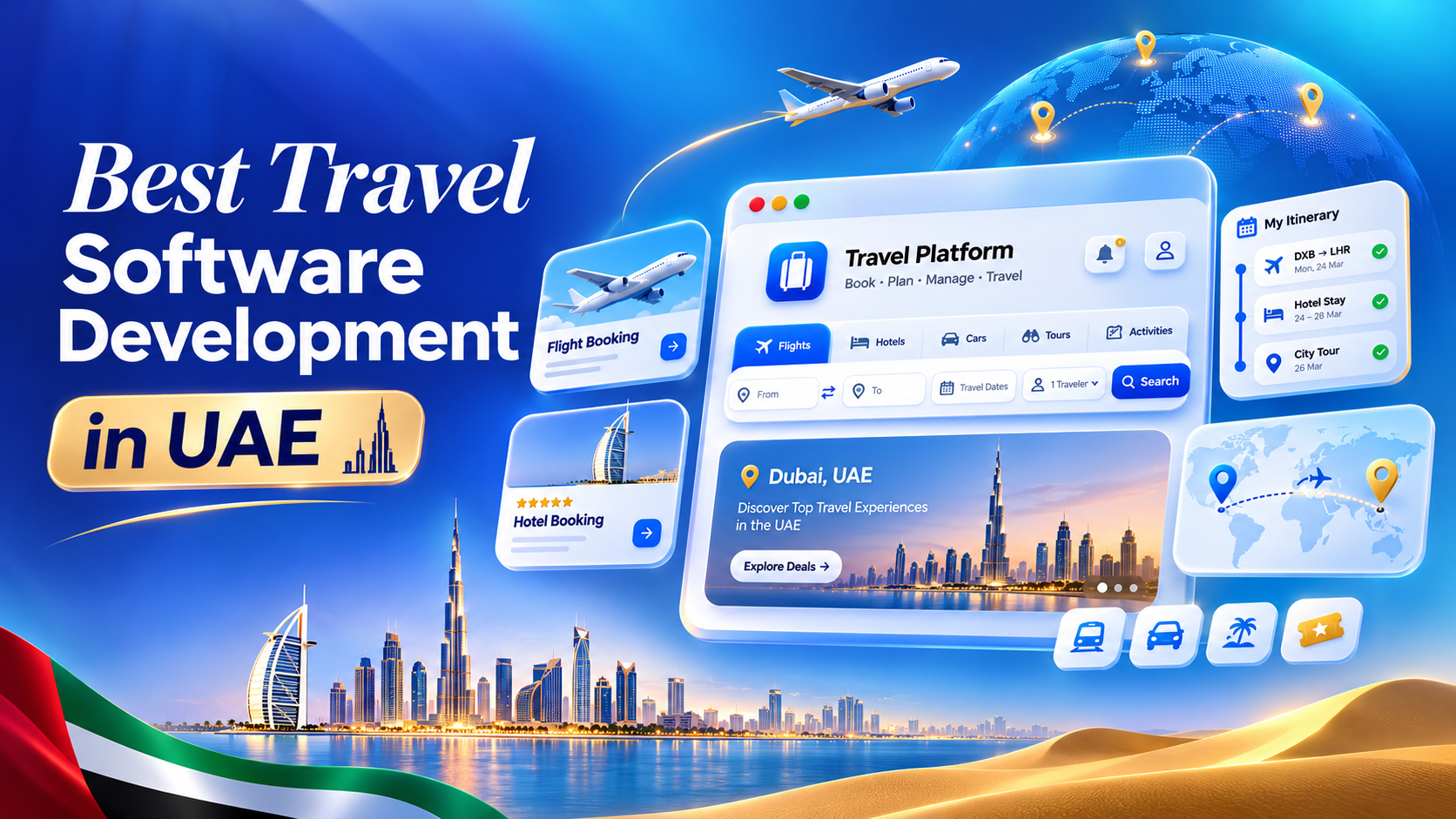
Custom travel software development unifies B2B and B2C booking portals, dynamic package builders, and back-office CRM operations.
Direct flight, hotel, and supplier API integrations eliminate manual quotation delays and avoid third-party aggregator markups.
Multi-currency and local payment gateway support ensures seamless AED transactions alongside international corporate client billing.
Geekssort delivers tailored travel technology solutions designed around real agency workflows rather than rigid off-the-shelf templates.
Finding the best travel software development in UAE means choosing a partner who understands your business not just your website.
Your travel agency may need a better way to manage enquiries, prepare quotations, coordinate bookings, or track customer payments. Your tour business may need a platform for presenting packages and organizing customer requests. Whatever the requirement, your software should support the way your team works.
Geekssort has built Softway Travels, a travel-related project that provides a starting point for discussing your development requirements. For travel businesses in Dubai, Abu Dhabi, Sharjah, and across the UAE, the goal is to build a digital experience that works for both customers and employees.
This guide explains what to look for in a travel software development partner, which capabilities to consider, and how to plan a project around your business needs.
What Is Travel Software Development?
Travel software development involves creating digital platforms for travel agencies, tour operators, destination management companies, and online travel businesses.
Depending on the project, these platforms can support enquiries, quotations, itineraries, reservations, supplier connections, payments, and internal operations. Travel technology providers distinguish between booking portals, supplier integrations, and back-office systems because they serve different purposes.
A travel website and a complete booking platform are not the same product.
Before requesting a quotation, identify what you need:
A website that presents your services and generates enquiries.
An internal system for managing customers and operations.
A customer portal for viewing quotations and booking details.
A B2B portal for agents or business partners.
A B2C platform for direct customer bookings.
A combination of these components.
Starting with the right scope makes the development conversation more productive.
Geekssort’s Travel Development Experience: Softway Travels
Geekssort has built Softway Travels, adding a travel-related project to its development portfolio.
For businesses exploring a new platform, this project offers an opportunity to discuss relevant experience, review completed work, and understand Geekssort’s approach to development.
The most useful portfolio conversation goes beyond screenshots. Ask to see the delivered customer journey, administrative functionality, and any integrations included in the project.
Your business may require a different scope. The proposal should therefore distinguish between existing components, configurable functionality, and features that need new development.
The objective is not to copy another travel platform. It is to understand your requirements and build the right solution for them. Discover how modern travel agencies structure these platforms in our complete guide to custom travel agency software.
Start With Your Travel Business Workflow
Before selecting features, map how your business handles a customer request.
Where does the enquiry arrive? Who responds? How is a quotation prepared? Who confirms availability? How does the customer pay? What information does the operations team receive?
Use those answers to define the platform.
For example, your project may need to connect:
A customer enquiry.
An assigned sales representative.
A quotation or itinerary.
Customer approval.
Supplier confirmation.
Payment status.
Operational handover.
Reporting.
Not every business needs every step automated. The important task is to identify where software will help and where a clear human approval process should remain.
Features to Consider for Travel Agency Software in UAE
Customer and Enquiry Management
If your team handles enquiries across calls, email, forms, and messages, define how those requests should enter your system.
Your requirements may include:
Recording customer details.
Assigning enquiries to employees.
Tracking follow-up status.
Maintaining quotation history.
Recording customer preferences.
Identifying requests that still need attention.
During a demonstration, follow one enquiry through the complete workflow. Check whether an employee can understand its status without searching through separate conversations.
Quotation and Itinerary Management
For businesses selling customized travel, quotation workflows deserve particular attention.
Travel technology offerings commonly distinguish itinerary creation, package customization, and quotation management from basic reservation functionality.
Consider whether your team needs to:
Build quotations from reusable components.
Revise an itinerary without losing earlier versions.
Show inclusions and exclusions clearly.
Separate supplier costs from customer prices.
Record customer approval.
Convert an accepted quotation into an operational booking.
Ask the developer to demonstrate a revised quotation, not just the first version.
Booking and Reservation Management
Define what a booking means in your business.
Is it a customer request awaiting confirmation? An internally approved reservation? Or a booking confirmed by an external supplier?
If the platform uses supplier integrations, it should distinguish between information saved in your system and a reservation confirmed by the supplier. Booking platforms can connect to external inventory through APIs and other supplier arrangements, but access and supported actions depend on the integration.
Your specification should explain what happens when availability changes, a supplier response is delayed, or a reservation cannot be completed.
Supplier and API Integrations
Avoid requesting “all travel APIs” without identifying the services you intend to sell.
Depending on the business model, integrations may involve flights, hotels, transfers, activities, or other travel products. Development providers distinguish among GDS connections, supplier APIs, and aggregators.
For each proposed integration, ask:
Which supplier will provide access?
Who will arrange the commercial agreement?
Are credentials and documentation available?
Is supplier approval or certification required?
Does the scope include search, booking, cancellation, or all three?
Who will maintain the connection after launch?
A supplier name in a proposal is not a complete integration specification.
Payments and Financial Records
Define how customers pay and how employees confirm those payments.
Your proposed workflow may need to handle deposits, outstanding balances, cancellations, refunds, and supplier payments. Travel management platforms may include financial and reconciliation functions alongside booking operations.
Ask your developer to distinguish between:
Manually recording a payment.
Directing a customer to a payment gateway.
Receiving a verified payment status.
Matching the payment to a booking.
Processing or recording a refund.
Confirm the merchant requirements of your selected payment provider before treating the integration as approved.
B2B and B2C Portals
A B2C portal serves customers booking directly. A B2B portal supports users such as agents or business partners. Travel development providers offer these as distinct distribution models, sometimes within a combined platform.
For a B2B portal, define agent permissions, pricing rules, approval processes, and financial controls.
For a B2C portal, focus on the customer journey, pricing clarity, booking confirmation, payment status, and access to support.
Choose the model your business needs rather than adding complexity for its own sake.
What UAE Travel Businesses Should Confirm
Regional requirements should appear in the written scope, not remain assumptions.
Ask your operational, accounts, and legal advisers to review the proposed setup where relevant.
Area
What to confirm
Currency
AED display, settlement requirements, and multi-currency rules
Language
English, Arabic, and other required interfaces
Payments
Merchant eligibility and supported gateway workflows
Invoices
Business details, applicable tax fields, and accounts-team approval
Documents
Access controls, retention needs, and export arrangements
Support
Coverage aligned with your operating hours
Hosting
Hosting, backups, and recovery responsibilities
Ownership
Rights to code, designs, records, and third-party accounts
An international platform description does not establish that every requirement of your UAE business has been addressed.
How to Choose the Best Travel Software Development Partner
Review Relevant Projects
Ask for a walkthrough of completed work.
For Geekssort, Softway Travels is the relevant project to discuss. Review what was delivered, what the project involved, and how that experience applies to your requirements.
Evaluate the Discovery Process
A useful development discussion should cover customers, employees, suppliers, approval steps, and reporting needs.
Be cautious about committing to a solution before those workflows are understood.
Request a Detailed Scope
Your proposal should identify:
Included modules.
User roles.
Design and development deliverables.
External integrations.
Migration responsibilities.
Testing and acceptance criteria.
Launch support.
Exclusions and assumptions.
Clear deliverables make it easier to assess progress and approve the completed work.
Clarify Maintenance and Support
Ask who handles defects, security updates, supplier API changes, and future enhancements.
Confirm which services are included, how requests are prioritized, and what requires a separate agreement.
Test Difficult Scenarios
Do not assess the platform only through its homepage.
Review what happens when a quotation changes, a payment remains pending, a supplier cannot confirm availability, or an employee needs to hand work to a colleague.
These scenarios reveal how the proposed system supports real operations.
How Much Does Travel Software Development Cost in UAE?
A meaningful estimate requires a defined scope.
A service website, an internal management system, and a multi-supplier booking platform involve different work. Travel development providers distinguish among custom platforms, booking engines, portals, and integrations rather than treating them as one standard product.
Request a quotation covering:
Discovery and specification.
User experience and interface design.
Front-end and back-end development.
Integrations.
Testing.
Hosting and deployment.
Data migration.
Training.
Maintenance and support.
Identify third-party charges separately. Supplier access, payment services, hosting, and other external services may have their own commercial terms.
A Development Process Built Around Clear Milestones
Discovery
Document your services, users, suppliers, workflows, and operational problems.
Scope and Design
Agree on the initial release, key screens, responsibilities, and acceptance criteria.
Development and Integration
Build the agreed functionality and connect approved external services.
Testing
Review complete customer and employee journeys, including unsuccessful transactions and exceptional cases.
Launch Preparation
Prepare approved content, user accounts, training, backups, and support contacts.
Ongoing Improvement
Review actual usage before deciding which features to develop next.
Common Mistakes to Avoid
Choosing From Design Alone
An attractive interface does not demonstrate how bookings, approvals, payments, and internal records work.
Review the operational workflow as well as the appearance.
Assuming Integrations Are Automatically Available
Supplier access may depend on contracts, credentials, testing, or approval. Identify these dependencies before agreeing on a launch plan.
Leaving Ownership Unclear
Agree on access to source code, hosting, domains, supplier accounts, and business records before development begins.
Building Too Much in the First Release
Separate essential launch requirements from later improvements. Make each phase clear in the proposal.
Ignoring the People Who Will Use the System
Include sales, operations, and accounts staff in the review process. Ask them to test the tasks they perform daily.
Frequently Asked Questions
What is the best travel software development company for a UAE business?
The best fit depends on your business model, required integrations, budget, and support expectations. Compare relevant work, technical proposals, demonstrations, and contractual terms rather than relying only on rankings.
Has Geekssort built a travel-related project?
Yes. Geekssort has built Softway Travels. Request a project walkthrough to understand the delivered functionality and its relevance to your requirements.
Can travel software connect to flight and hotel suppliers?
Travel platforms can connect to external suppliers through suitable integrations. Access, contracts, supported functions, testing, and approval requirements depend on the supplier and project scope.
Do I need custom development or a ready-made platform?
Compare existing products against your requirements first. Custom development is an option when available platforms do not adequately support the required workflows or integrations. Providers offer both packaged platforms and bespoke development approaches.
How long does development take?
Request a timeline after agreeing on scope. It should account for design, development, integration dependencies, testing, and approvals.
What should I prepare before contacting a developer?
Prepare your service list, current workflow, user roles, supplier requirements, payment preferences, and main operational problems. Include examples of quotations, booking records, and reports you need the system to support.
Build Travel Software Around Your Business With Geekssort
Your travel platform should reflect how your business sells, confirms, delivers, and supports its services.
Start with clear requirements. Review relevant work. Test complete workflows. Agree on ownership, maintenance, and external dependencies before development begins.
Geekssort’s Softway Travels project provides a starting point for that conversation.
Contact Geekssort to explore the Softway Travels project and discuss a custom travel software development solution shaped around your UAE business requirements.
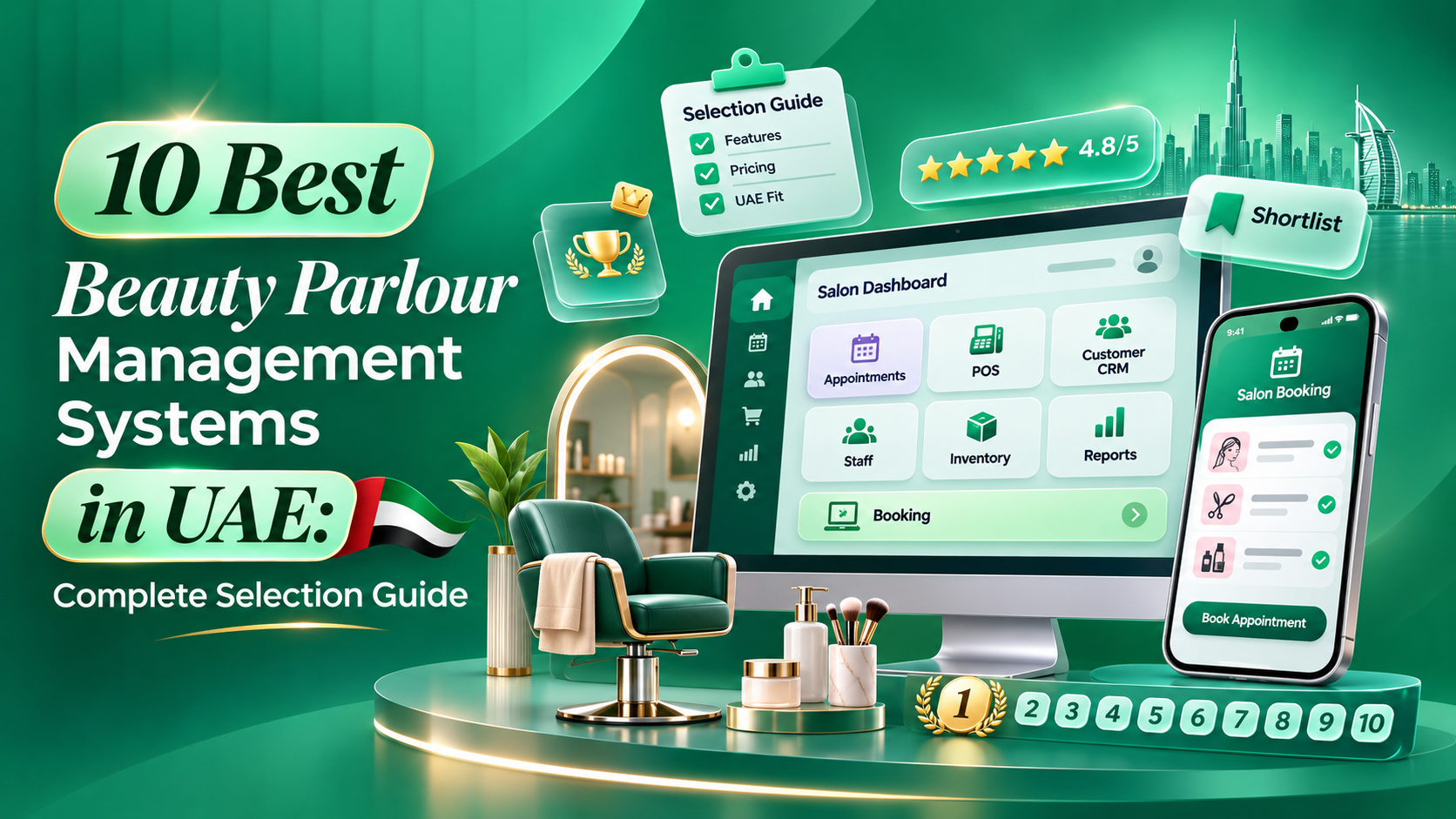
Compare the 10 best beauty parlour management systems in UAE for 2026. Discover how modern salons in Dubai, Abu Dhabi, and Sharjah evaluate booking, POS billing, VAT invoices, and staff management.
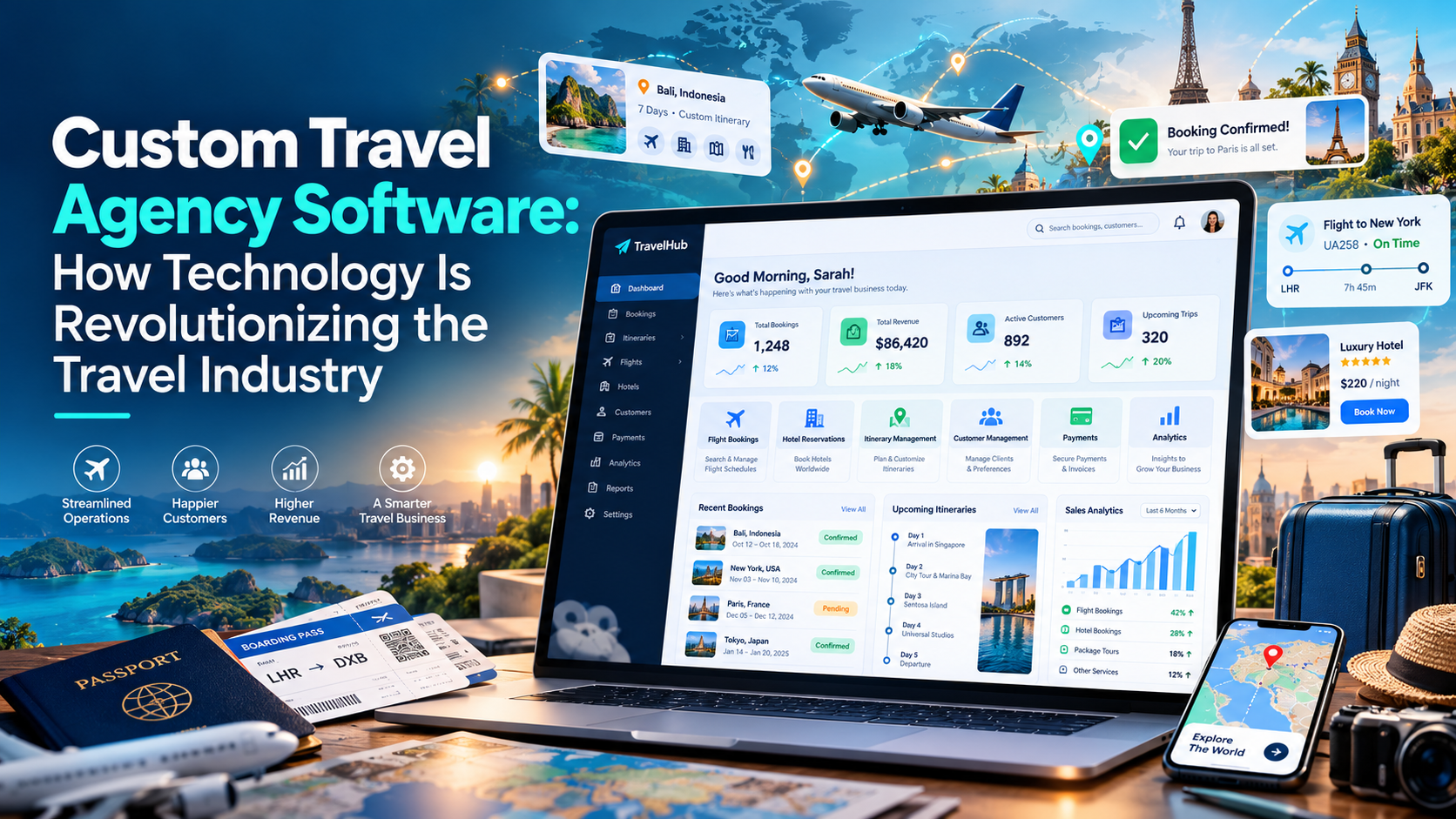
Discover how custom travel agency software helps modern agencies automate flight and hotel bookings, manage holiday packages, build dynamic itineraries, and scale online.
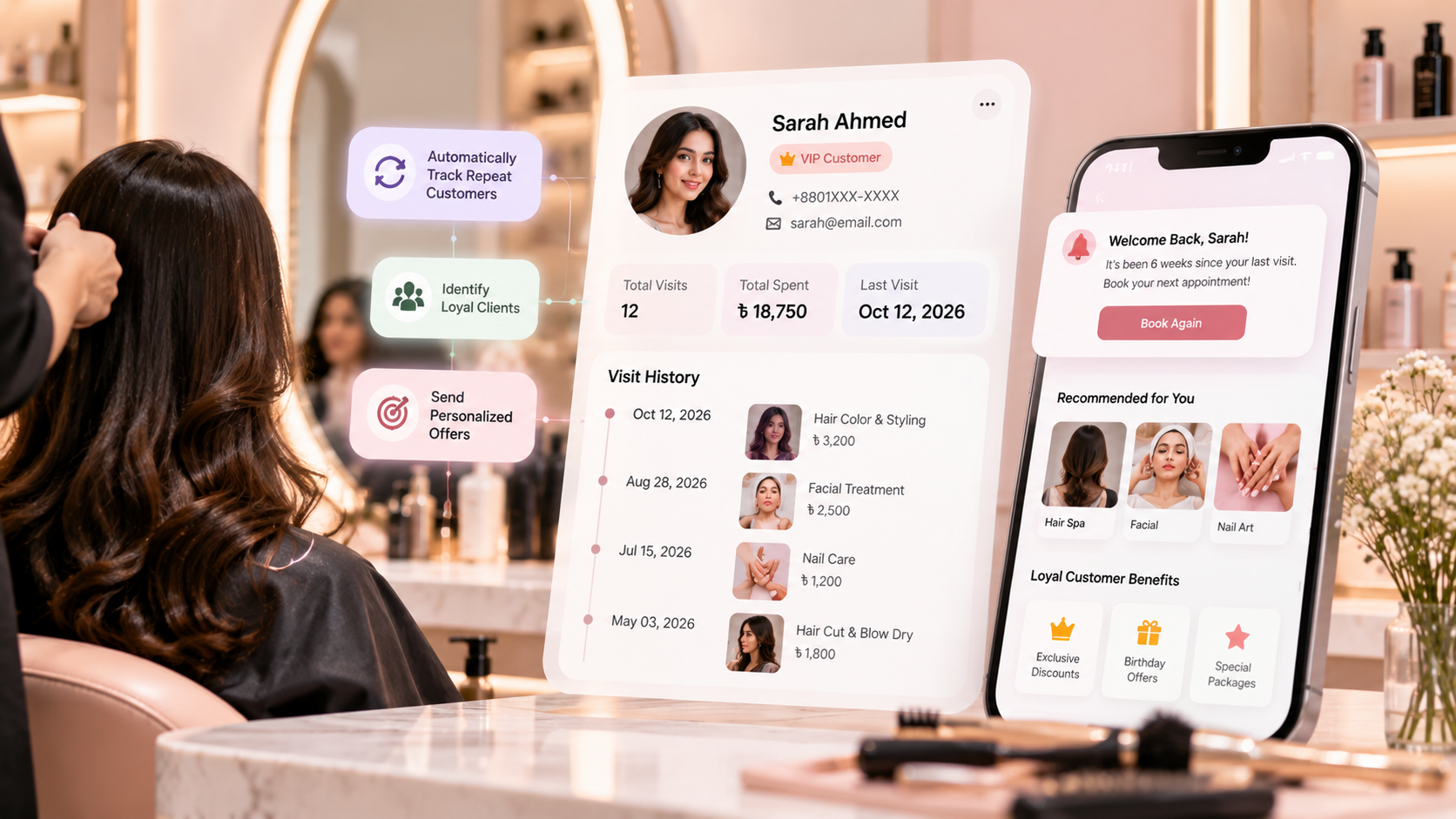
Learn how to track repeat customers in a beauty parlour automatically using digital client profiles, service visit history, automated reminders, and CRM retention workflows.




 We’re happy to sign an NDA upon request.