Build one Claude skill that solves a specific, repeated problem very well.
Give the core skill away free to earn trust, GitHub stars, and organic traffic.
Use an email gate to turn visitors into a reachable audience.
Offer services like custom setup, private skills, and team training for higher revenue.
A Claude skill can be more than a handy shortcut. It can be the start of a real product business.
Many AI builders still sell PDFs, prompt lists, and small templates. That model is getting weaker. AI can now rewrite static information in seconds.
A stronger model is taking its place. Builders give away a useful Claude skill for free. They earn attention through GitHub stars, shares, and search. Then they sell updates, advanced packs, setup, and custom services.
This guide explains how that model works and how to build it. It also shows where Geekssort can help you turn one Claude skill into a complete digital product business.
1. What Is a Claude Skill Product?
A Claude skill is a set of instructions that teaches Claude to do one task well. It might write property listings, review contracts, or draft ad copy.
A Claude skill product has a free public part and a paid private part. The free part is usually a GitHub repository. It solves one real problem completely.
The paid part adds more value. It may include advanced skills, updates, support, commercial rights, or done-for-you setup.
Here is a simple example. A developer publishes a free Claude skill that writes property listings. It works fully on its own. The paid version adds 30 more real estate skills, monthly updates, and a private support group.
The free skill earns attention. The paid pack earns revenue. This setup is also called a gated open source AI asset.
2. Why the Old PDF Model Is Fading
For years, digital product sellers followed one formula. They made a PDF, sold it cheaply, and added an upsell.
The formula still works in some cases. But the product inside it has lost value.
A PDF sells information. Anyone can now ask a chatbot for a similar template or checklist. Static files are easy to copy. They also do not update themselves or perform a task.
A Claude skill is different because it does a job. You are not selling a guide about writing listings. You are giving the buyer a tool that writes them.
The buyer gets a result, not just information.
3. The Four Layers of the Model
A product built around a Claude skill usually has four layers.
Free core. This is the public asset. It can be a Claude skill, a GitHub repo, an MCP server, or an agent template. It should solve one problem fully. It should never feel like a crippled demo.
Email gate. This layer captures an email address. Offer a starter kit, a setup video, or worked examples. It builds an audience you can reach later.
Paid product. This layer adds scope or convenience. Examples include a private repo, a Claude skill pack, monthly updates, or commercial rights.
Service backend. This is the high-value layer. It covers installation, customization, team training, or a full custom build. It is often where the most revenue comes from.
4. Why This Model Can Beat AI SaaS
AI SaaS products carry heavy running costs. Every user request can create an inference cost. The business also pays for servers, security, uptime, and support.
A Claude skill avoids most of this. It runs inside the buyer's own Claude account with the buyer's own data. You sell the skill, the updates, and the support. You do not pay for every request.
This does not mean SaaS is a bad choice. AI SaaS platforms are still better when a product needs shared data, heavy computing, or a connected network.
But for a Claude skill, a prompt system, an agent template, or an MCP server, this model is often simpler and more profitable.
5. GitHub Stars Are Marketing, Not Revenue
GitHub stars show that people find your project interesting. They can bring real attention to your Claude skill.
But stars are not money. A repo with thousands of stars can still earn nothing. It needs an email capture, a paid offer, and a service path.
Treat your README like the top of a sales page. Show the outcome. Add a quick demo. Explain the install steps. Then link to the next step, such as an email signup, a paid pack, or a call.
Stars bring visitors. The funnel turns visitors into customers.
6. How to Choose a Profitable Niche
Do not start with code. Start with the buyer.
Find a person or business that already pays to solve a problem. Then look for a repeated task that a Claude skill can improve.
Good niches often include:
• Real estate agents who write listings.
• Marketing agencies that produce ad copy.
• Ecommerce stores that write product descriptions.
• Recruiters who screen candidates.
• Coaches who build client onboarding material.
• Local businesses that need review replies and social posts.
Then ask one question. What does the person starring this repo get paid to do?
If the answer is nothing, you may attract hobbyists instead of buyers. A good niche has a buyer with a budget, a repeated job, a gap in free tools, and steady demand.
7. Build the Free Claude Skill First
Your free Claude skill should do one job extremely well. For example, it could turn a property description into a social media post. It should work right after installation.
Do not weaken the free version too much. A weak skill earns no trust and no stars.
Keep the rule simple. The free version is complete for one job. The paid version expands the job.
You can use Claude to help you create:
• The core Claude skill.
• Documentation and install steps.
• Example prompts.
• Demo content.
• A README.
• A basic landing page.
The free skill is your marketing engine.
8. Design the Paid Gate Carefully
The paid gate should add value. It should never remove basic usefulness from the free skill.
Good paid offers include:
• A larger Claude skill pack for a niche.
• Monthly updates.
• A private repository.
• Commercial-use rights.
• Team access.
• Priority support.
• Done-for-you installation.
• Custom work for one business.
Avoid selling static files that AI can easily recreate. Gate the things that keep changing or need ongoing work. Updates, niche packs, and support are stronger products than a simple document.
9. Turn the Repo Into a Funnel
A repository alone is not a business. It needs a path from visitor to customer.
A simple funnel looks like this:
1. A user finds the repo through GitHub, search, or social media.
2. The README shows a clear demo and outcome.
3. The user joins an email list to get a starter kit.
4. An email introduces the paid Pro pack.
5. The buyer purchases the pack or books a setup call.
6. The buyer receives delivery, support, and updates.
7. The business offers a higher-value service later.
Every step should be clear. The buyer should never feel trapped or misled.
10. Use Paid Ads the Right Way
Do not send paid ads straight to GitHub. GitHub cannot capture emails or run a controlled checkout.
Send ads to a dedicated landing page instead. Show a short demo of the Claude skill. Explain the outcome. Offer the starter kit in exchange for an email. After signup, present the paid offer.
Run ads only after your organic launch shows interest. Organic attention tells you which skill deserves paid traffic.
11. Increase Revenue With a Value Ladder
One small paid product is rarely enough. A value ladder works better.
Here is an example:
• Free asset: one useful Claude skill.
• Email offer: starter kit and setup video.
• Front offer: Pro pack with 30 niche skills.
• Checkout add-on: advanced template pack.
• One-click upsell: installation course and updates.
• Downsell: shorter starter package.
• Backend offer: custom setup for a team.
This structure raises average order value. It also avoids forcing every buyer into the same offer.
12. Delivery Is Part of the Funnel
The sale does not end at checkout. A buyer who cannot install the Claude skill will ask for a refund. A buyer who gets a quick result will stay engaged.
The thank-you page should include:
• A clear first step.
• The download or access link.
• A short installation video.
• Support details.
• An invitation to the community or the next offer.
The access email should arrive immediately. It should contain every link the buyer needs. Good delivery cuts refunds and opens the door to future sales.
13. Sell Services Behind the Asset
The biggest revenue often comes after the first sale.
Once buyers use your free Claude skill, they already trust it. They no longer ask if it works. They ask if you can set it up for their team.
Possible backend offers include:
• Done-for-you installation.
• Custom Claude skill creation.
• Team workshops.
• Monthly maintenance.
• Custom AI workflow development.
• Private MCP server setup.
These services can earn far more than a digital download.
14. Common Mistakes to Avoid
Many builders fail for the same reasons.
They build a tool nobody needs. They ship a weak free version. They forget email capture. They launch before the funnel is ready. They rely only on stars. They sell static files that AI can replace.
Some also change an open-source license after building trust. This hurts the community and can lead to forks.
The better rule is simple. Keep the original promise. Put new paid work into a separate paid product.
15. How Geekssort Can Help
Geekssort builds software products, SaaS platforms, business systems, and AI-enabled digital solutions. We help founders and businesses turn ideas into practical digital products.
The goal is not only to build a repo. The goal is to build a complete AI product business.
Final Thoughts
A Claude skill gives independent builders a new way to create AI products. Instead of selling static information, you give away a useful tool. You earn attention through GitHub and social channels. Then you sell updates, advanced packs, support, and services.
The model works because it gives value first. The free skill solves a real problem. The paid product saves time, adds scope, or keeps the tool current.
If you have an AI product idea, do not start with a PDF. Start with a useful Claude skill, a clear funnel, and a plan to serve buyers after they arrive.
Geekssort can help you build that complete system.
Want to Build an AI Product People Actually Use?
Geekssort helps founders and businesses create Claude skills, AI assets, SaaS products, funnels, and complete digital systems.
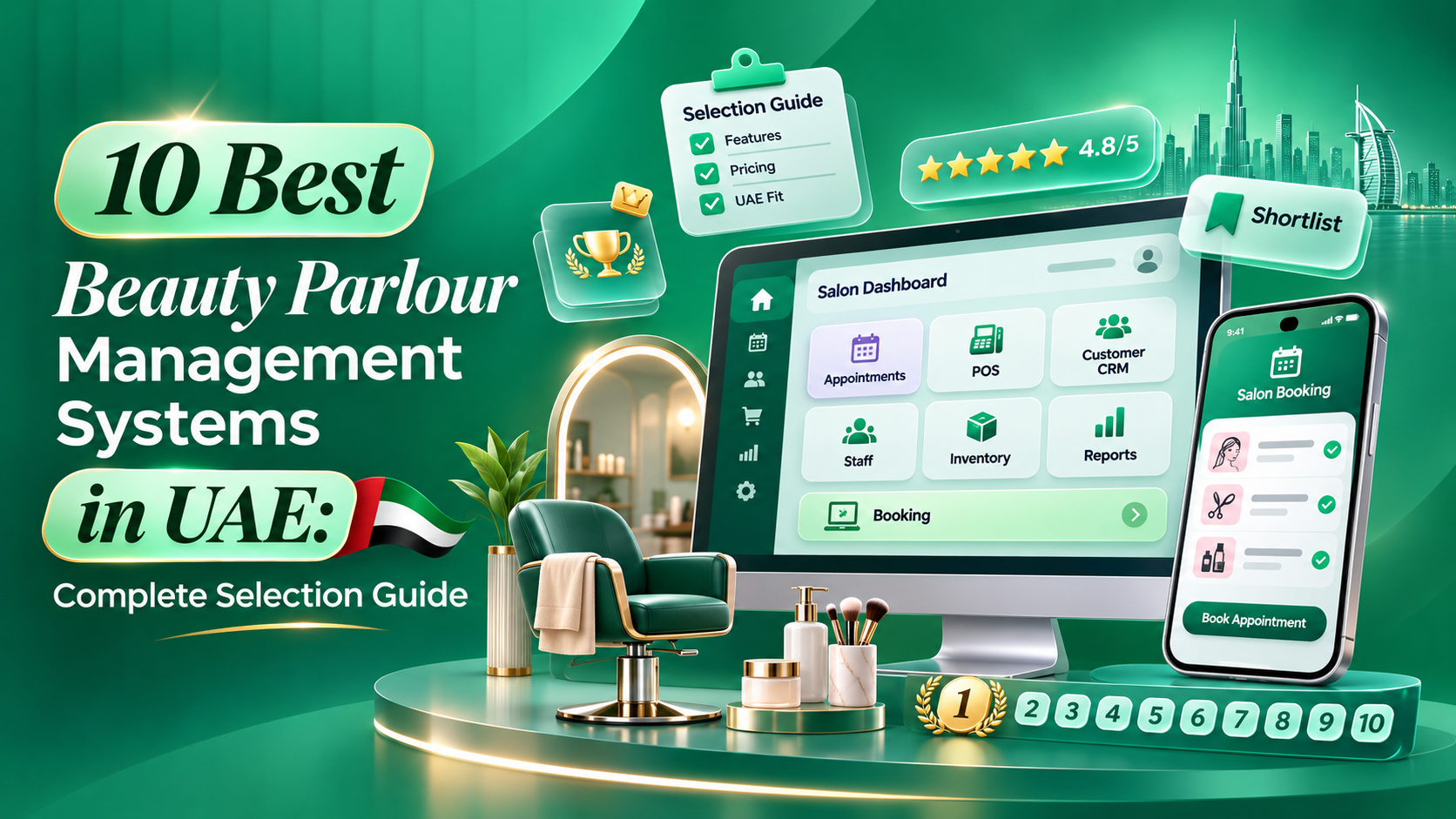
Compare the 10 best beauty parlour management systems in UAE for 2026. Discover how modern salons in Dubai, Abu Dhabi, and Sharjah evaluate booking, POS billing, VAT invoices, and staff management.
Looking for the best travel software development in UAE? Learn how custom booking portals, itinerary builders, supplier API integrations, and CRM tools transform travel agencies.
Discover how custom travel agency software helps modern agencies automate flight and hotel bookings, manage holiday packages, build dynamic itineraries, and scale online.







 We’re happy to sign an NDA upon request.