

SaaS MVP Development: Mistakes to Avoid & How Geekssort Helps
Build a SaaS MVP that users actually adopt. Learn the most common SaaS MVP development mistakes, how to scope core workflows, and how Geekssort helps founders launch scalable products.


 By Ebrahim Khan
7 min read
Quick Summary
Key takeaways
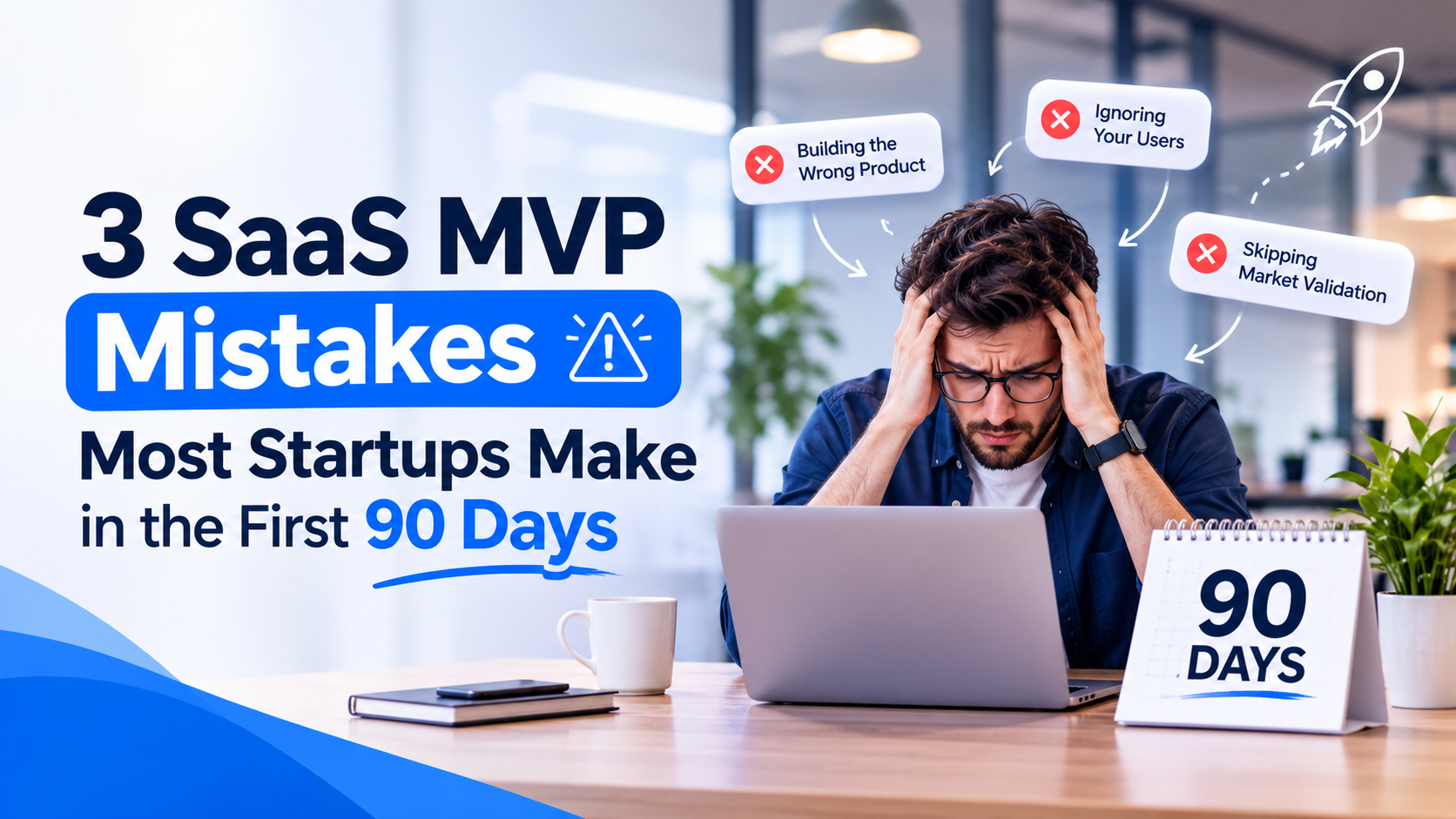
SaaS MVP mistakes in the first 90 days can turn a promising idea into an expensive experiment. The problem is rarely the idea itself. It is usually how the first version is scoped, built, and measured.
At GeekSSort, we help founders and product teams scope, design, and build SaaS products. Across SaaS MVP development projects, the same three mistakes appear repeatedly: building too much, getting the technical foundation wrong, and launching without a way to learn.
This guide explains each mistake, what it looks like in practice, and how to avoid it. If you are planning how to build a SaaS MVP, read this before writing a single line of code.
A minimum viable product exists to answer one question: will a specific group of people use this product and pay for it?
Many teams treat an MVP as a smaller version of the final product. Their roadmap fills with dashboards, role permissions, integrations, settings pages, notifications, and admin tools. Launch slips from week 8 to week 20, while the budget disappears with it.
That is one of the most common MVP development mistakes: confusing “minimum” with “an incomplete version of everything.”
A good MVP should feel slightly uncomfortable to ship. If it does not, you may have built too much.
Founders often make one of two opposite technical mistakes.
Some teams choose microservices, Kubernetes, event-driven pipelines, and custom infrastructure before they have users. This burns budget and slows every change while the team is still learning what customers actually want.
For most early SaaS startups, a well-structured monolith is faster to build, cheaper to operate, and easier to change. Split into services only when real traffic, team size, or operational complexity justifies it.
Other shortcuts are acceptable at MVP stage—but only if they do not create expensive rework later. These foundations deserve early attention:
The goal of MVP architecture is simple: move fast now without trapping yourself later.
For a realistic view of scope, budget, and launch timing, see GeekSSort’s SaaS MVP development cost and timeline guide. It explains how simple, medium, and complex MVP scopes affect both cost and delivery time.
Many MVPs go live and then… nothing happens. Nobody knows who signed up, what they did, where they dropped off, or why they left. The team starts guessing, which defeats the purpose of building an MVP.
An MVP is not just software. It is a learning system.
An MVP that teaches you nothing has failed—even if the code is technically perfect.
| Phase | Focus | Outcome |
|---|---|---|
| Days 1–30 | Validate the problem, define the core hypothesis, and build the thinnest working version | A usable prototype in real users’ hands |
| Days 31–60 | Launch to a small group, track activation, and speak directly with users | Real evidence of what works and what does not |
| Days 61–90 | Remove unused features, strengthen what users value, and prepare for scale | A clear decision: iterate, pivot, or grow |
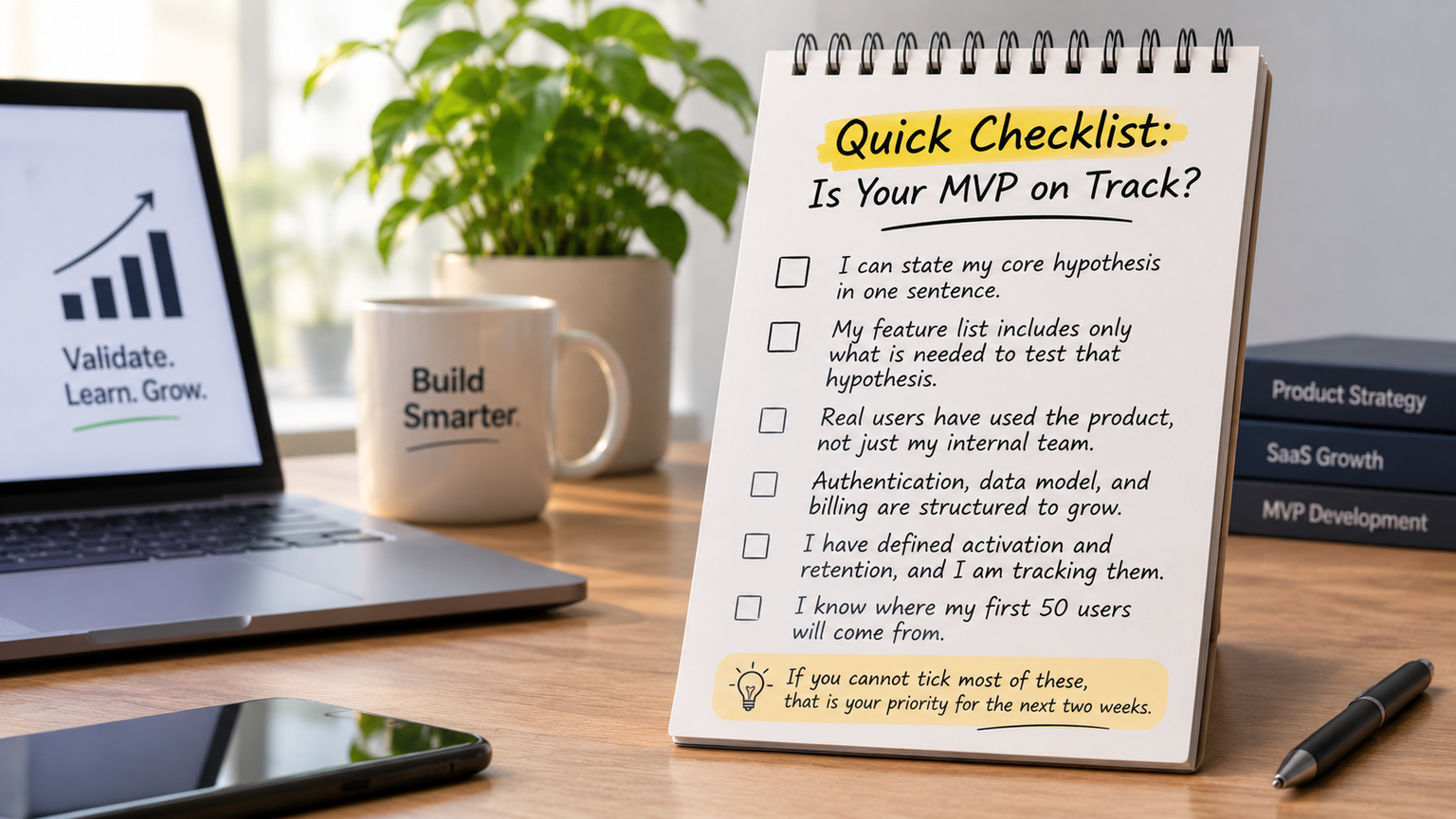
If you cannot tick most of these, that is your priority for the next two weeks.
A focused SaaS MVP commonly takes 4–16 weeks, depending on scope, integrations, compliance needs, and team size. A simple MVP with one core workflow may take 4–6 weeks, while a more complex product with integrations can take 8–16 weeks.
Include only the features needed to test your core hypothesis, plus foundations that are costly to change later, such as authentication, the data model, and billing structure. Everything else can wait until real user feedback justifies it.
Usually not. A well-structured monolith is faster to build, cheaper to run, and easier to change while you are still learning. Move to microservices only when real traffic, team size, or operational complexity justifies the added overhead.
Look beyond sign-ups. Track activation rate, retention, repeat usage, and direct user feedback. Strong early signals include users returning without prompting and telling you they would miss the product if it disappeared.
Cost depends on scope, team structure, integrations, and compliance requirements. GeekSSort’s MVP cost guide estimates that simple MVPs may start around $8,000, while compliance-heavy platforms with custom integrations can exceed $150,000.
Most failed MVPs run out of time, money, or learning—not because the idea was bad. Keep the scope tight, protect the few technical foundations that matter, and measure learning from day one.
The first 90 days should give you evidence, not assumptions. Build the smallest version that tests your hypothesis, learn from real users, and improve only what the data supports.
Planning a SaaS MVP? The GeekSSort team helps founders scope, design, build, and launch MVPs that are fast to market and ready to scale. Talk to us about your SaaS MVP development project.
For an example of how GeekSSort turns a business workflow into a connected digital product, read the House of Elegance case study.

Build a SaaS MVP that users actually adopt. Learn the most common SaaS MVP development mistakes, how to scope core workflows, and how Geekssort helps founders launch scalable products.
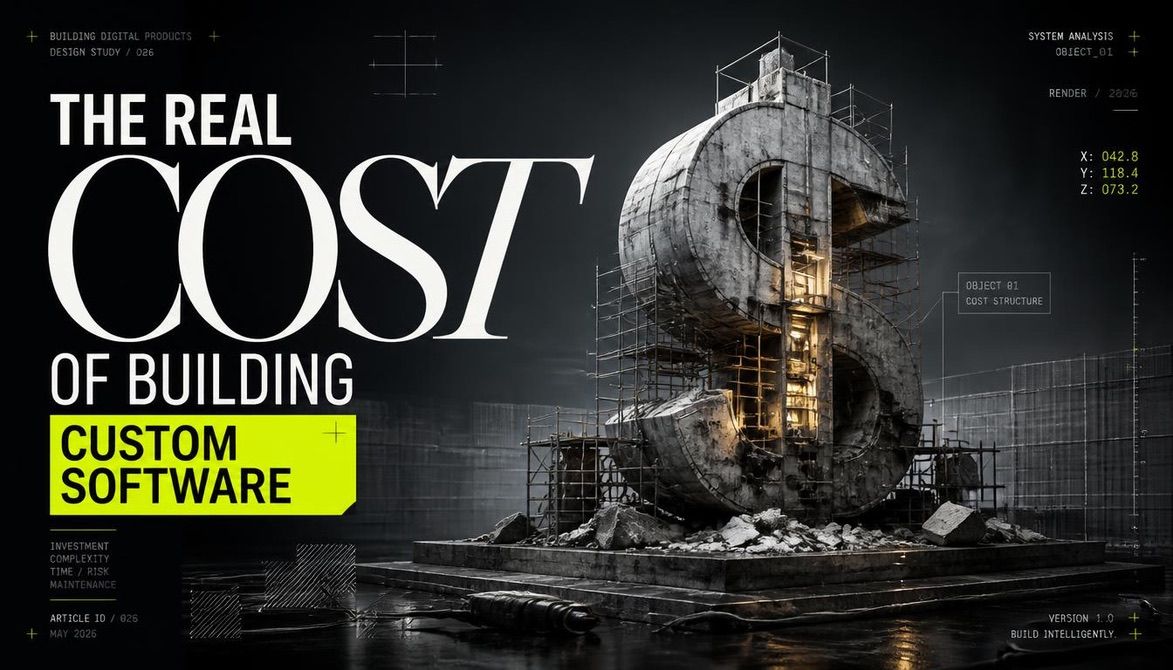
The quote on your desk is not the price of the software. This guide splits the real cost of custom software into CapEx vs OpEx treatment, annual maintenance benchmarks by software type, and a 3-year TCO model to build before a CFO signs off.
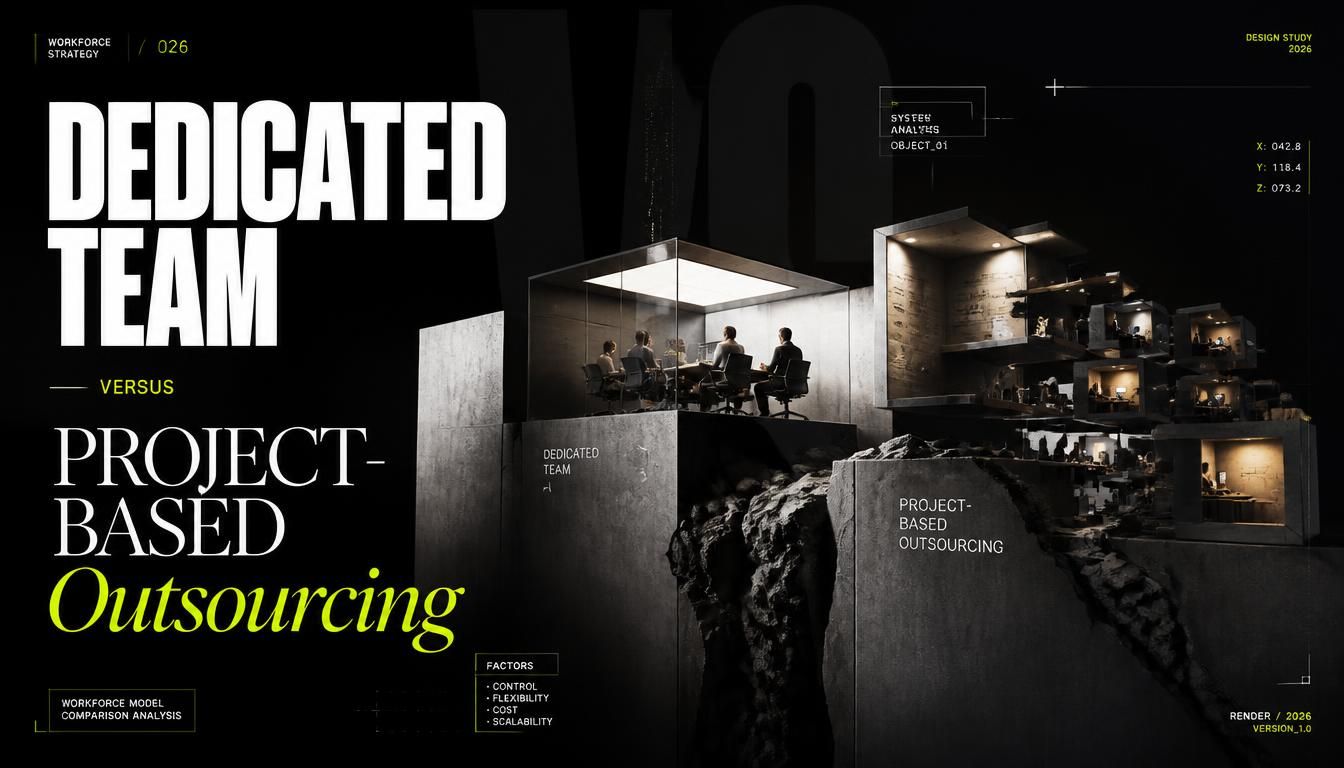
Dedicated development teams let startups build faster, preserve runway, and scale engineering capacity without committing to permanent in-house headcount. The model uses an external team that works exclusively on the company’s product as an extension of the internal team.

Ebrahim KhanFounder & CEO
 We’re happy to sign an NDA upon request.