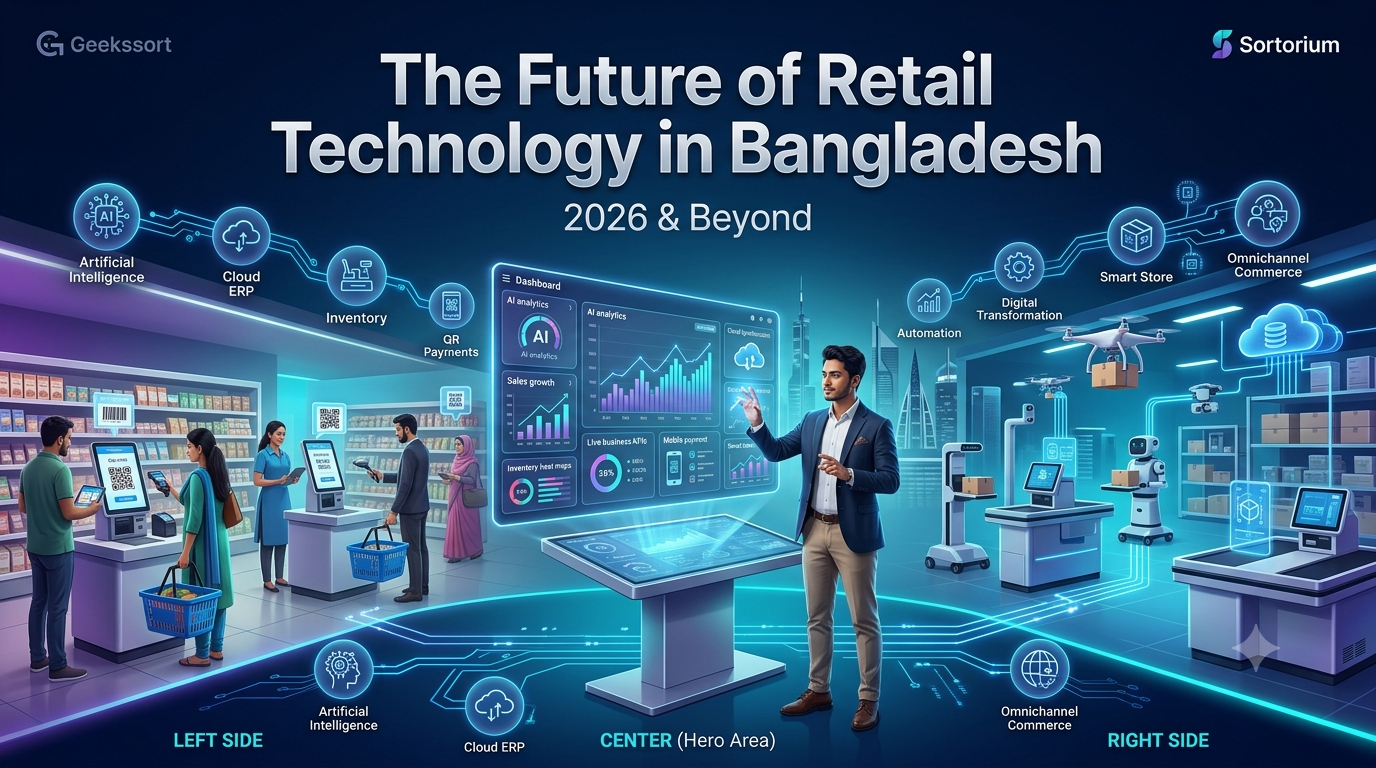
Retail technology in Bangladesh is moving faster than most owners realise. Here is what is driving it, the trends to watch, and how SMEs can keep up in 2026 and beyond.
Walk through any market in Dhaka, Chittagong, or Sylhet today and you will see a quiet revolution underway. The cash drawer and the paper register are giving way to screens, scanners, and phones tapping to pay. Retail technology in Bangladesh is moving faster than most shop owners realise, and the gap between businesses that embrace it and those that do not is widening every year. This guide looks at what is driving the change, the trends that will define 2026 and beyond, the real benefits for an SME, and how to keep up without being left behind.
This is not a far-off, futuristic story. Much of what we cover is already in shops near you, run by owners who decided not to wait. The question is no longer whether retail technology will reshape Bangladeshi business, but how quickly you will be part of it.
What Retail Technology in Bangladesh Looks Like Today
Retail technology in Bangladesh today means the connected tools that run a modern shop: point-of-sale software, digital inventory, mobile payments, cloud dashboards, and the data that ties them together. A decade ago, this was the preserve of large chains with big budgets. Now it is affordable and accessible to a single-shop owner, which is exactly why adoption is accelerating across the country.
The defining feature of modern retail technology is connection. Instead of separate tools that do not talk to each other, the best systems unify the counter, the stock room, and the books on one platform, so a single sale updates everything at once. That shift from scattered tools to one connected system is the heart of where retail technology in Bangladesh is heading.
Why Retail Technology in Bangladesh Is Booming Now
Several forces are converging to push retail technology in Bangladesh forward. The country has one of the world’s most active mobile financial services markets, smartphone use is widespread and growing, and a large, young population expects fast, digital experiences. Add government momentum behind Smart Bangladesh and a2i, and the ground is set for rapid change.
Just as important, the cost of entry has collapsed. Cloud software means no expensive servers, subscription pricing fits an SME budget, and onboarding now takes days rather than months. When the technology becomes both expected by customers and affordable for owners, adoption stops being a question of if and becomes a question of when. That tipping point is here for retail technology in Bangladesh.
The Core Pillars of Modern Retail Technology in Bangladesh
Before the buzzwords, it helps to understand the foundations. Modern retail technology in Bangladesh rests on a few core pillars that every serious system shares.
Unified POS in Retail Technology for Bangladesh
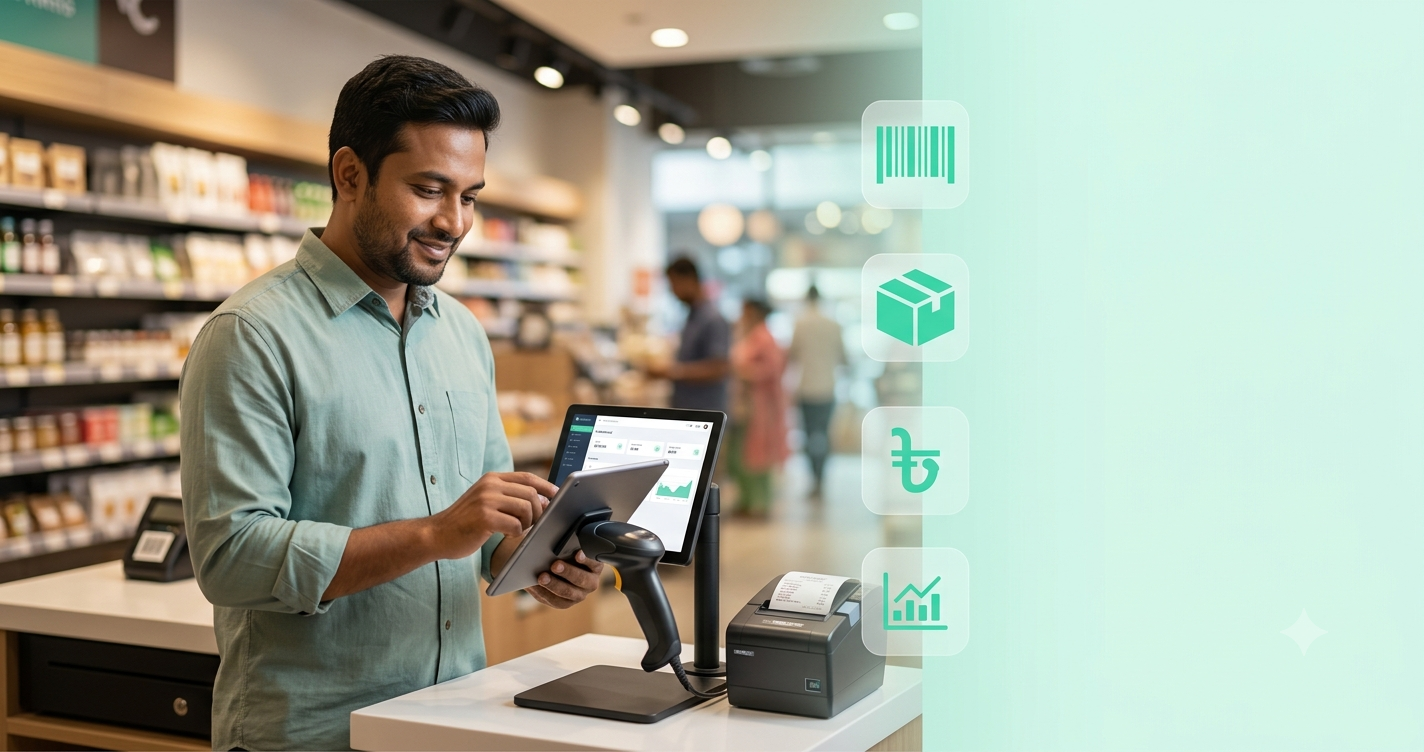
The point of sale is the heartbeat of a shop, and in modern retail technology it does far more than ring up a sale. A unified POS records the sale, drops the stock, applies VAT, and updates the books in one motion. This removes the manual reconciliation that eats an owner’s evenings and quietly leaks money.
The key word is unified. A standalone till that does not connect to inventory or accounts is yesterday’s tool. The future of retail technology in Bangladesh belongs to systems where the counter is one part of a connected whole.
Mobile Payments in Retail Technology for Bangladesh
No discussion of retail technology in Bangladesh is complete without mobile money. bKash, Nagad, and Rocket are how a huge share of customers pay, and modern systems accept and reconcile them at the counter automatically. A shop that cannot take mobile money cleanly is losing both sales and trust.
As digital payments deepen, the expectation is shifting from cash-first to mobile-first. Retail technology that treats mobile banking as a core payment method, not an afterthought, is the technology that will win the next few years.
Cloud and Real-Time Data in Retail Technology for Bangladesh
Cloud is the quiet enabler behind everything else. By running in the cloud, retail technology in Bangladesh lets an owner see live sales and stock from a phone, across any number of branches, without buying a single server. The data is always current and always backed up.
Real-time data changes how decisions are made. Instead of guessing from last month’s memory, an owner sees today’s profit, best sellers, and slow movers as they happen, and acts the same day. That speed of insight is one of the biggest practical gifts of modern retail technology.
Inventory Automation in Retail Technology for Bangladesh
Stock is where most retail money is tied up, and where most of it leaks. Retail technology in Bangladesh now automates this with live counts, low-stock alerts, and expiry warnings, so shelves stay full of what sells and cash is not locked in dead stock.
For multi-branch retailers, automated inventory is transformative. It keeps every location in sync, allows smart stock transfers, and gives head office one true total, replacing the chaos of separate spreadsheets per shop.
Emerging Trends in Retail Technology in Bangladesh for 2026
On top of those foundations, several trends are accelerating and will shape retail technology in Bangladesh through 2026 and beyond.
AI and Analytics in Retail Technology for Bangladesh
Artificial intelligence is moving from hype to helpful. In retail technology, that means smarter demand forecasting, automatic reorder suggestions, and clear analytics that tell an owner what to stock and when. For an SME, this turns a mountain of sales data into simple, actionable advice.
The practical promise is decisions made on patterns, not hunches. As these tools mature, retail technology in Bangladesh will increasingly tell owners what is about to happen, not just what already did.
Omnichannel Retail Technology in Bangladesh
Customers no longer shop in just one place. They browse on Facebook, ask on WhatsApp, and buy in store or online. Omnichannel retail technology in Bangladesh ties these together, keeping stock and prices consistent across every channel so a shop never oversells or confuses a buyer.
For Bangladeshi retailers riding the e-commerce wave, the ability to sell in store and online from one connected system is fast becoming essential, not optional.
Contactless and QR in Retail Technology for Bangladesh
Contactless payments and QR codes are spreading quickly, speeding up checkout and reducing handling. In retail technology terms, this means faster lanes, fewer errors, and a smoother experience that customers increasingly expect.
QR is also reshaping the back of the shop, from quick stock checks to digital receipts. Expect this quiet convenience to become a standard feature of retail technology in Bangladesh.
The Real Benefits of Adopting Retail Technology in Bangladesh
Trends are interesting, but owners care about outcomes. Adopting retail technology in Bangladesh delivers concrete benefits that show up in time, money, and peace of mind.
• Faster checkout that captures sales instead of losing them to queues.
• Accurate stock that ends both stockouts and dead inventory.
• Automatic mobile-money reconciliation, ending the nightly cash chase.
• Real profit and best-seller insight, available from your phone.
• VAT handled by default, so compliance stops being a stress.
• One dashboard for every branch, making growth manageable.
Barriers to Retail Technology in Bangladesh, and How to Overcome Them
Adoption is not without hurdles, and being honest about them helps. The common barriers to retail technology in Bangladesh are fear of cost, fear of complexity, and uncertainty about support. Each is easier to overcome than it seems.
Cost is met by affordable SME subscriptions that replace several separate tools. Complexity is met by systems designed to be simple, with onboarding done for you. Support uncertainty is met by choosing a locally backed provider. The right partner removes every one of these barriers, which is why so many owners who hesitated are now adopting retail technology in Bangladesh without regret.
How SMEs Can Start With Retail Technology in Bangladesh
You do not need to transform everything at once. Here is a sensible path to start with retail technology in Bangladesh.
1. Begin with a unified POS that connects sales, stock, and accounts.
2. Turn on mobile-money acceptance and automatic reconciliation.
3. Set reorder points so inventory alerts work for you.
4. Use the dashboard daily to learn from your real numbers.
5. Add channels and branches as you grow, on the same platform.
6. Choose a locally supported provider so help is always close.
The Bangladesh Context: Why Local Retail Technology Wins
Global retail tools can look impressive, but retail technology in Bangladesh works best when it is built for Bangladesh. That means native NBR VAT, native bKash and Nagad, a Bangla interface option, pricing suited to local SMEs, and support in your timezone and language. These are not small details; they are the difference between technology that fits and technology that fights you.
A locally built platform also understands local realities, from multi-branch markets to credit trade to mobile-first customers. That contextual fit is why, for most Bangladeshi retailers, the smartest retail technology is the one designed for their market from the ground up.
Why Sortorium Leads Retail Technology in Bangladesh
Sortorium is retail technology built for Bangladesh from day one. It unifies POS, inventory, accounts, and HR on one live database, with NBR VAT and bKash, Nagad, and Rocket native, real-time stock across branches, a Bangla UI option, and analytics that turn sales into insight. It runs in the cloud, so you manage everything from your phone, and onboarding is usually under 48 hours with a local Dhaka team behind you.
In other words, Sortorium packages the pillars and trends in this guide into one affordable platform, so an SME can adopt modern retail technology in Bangladesh without stitching tools together or hiring an IT team.
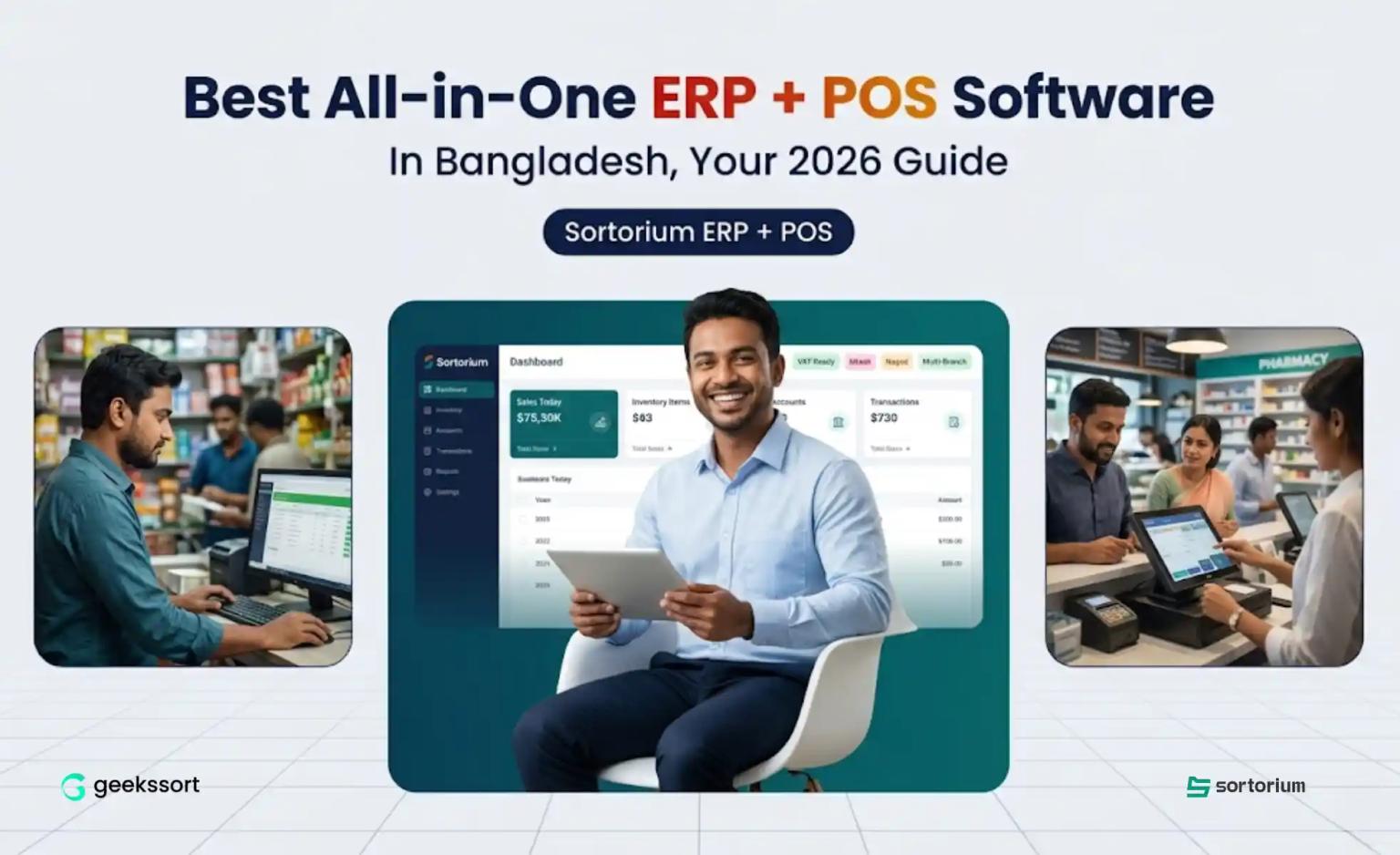
Sortorium: the all-in-one ERP and POS software in Bangladesh for SMEs.
The Future of Retail Technology in Bangladesh Beyond 2026
Looking further ahead, retail technology in Bangladesh will only deepen its hold. Expect smarter AI that predicts demand, tighter integration between online and offline selling, richer customer data and loyalty tools, and payments that become almost invisible. The shops that thrive will be those that built a connected foundation early and kept adding to it.
The encouraging truth is that the foundation available today already future-proofs you. By adopting a unified, cloud-based, locally built platform now, you position your business to absorb each new wave of retail technology in Bangladesh as it arrives, rather than scrambling to catch up.
Retail Technology in Bangladesh by Shop Type
Retail technology in Bangladesh is not one-size-fits-all. The same connected platform adapts to very different shops, and understanding your type helps you adopt it in the way that delivers the most value for your specific business.
Grocery and Supermarket Retail Technology in Bangladesh
For grocery and supermarkets, retail technology in Bangladesh means fast multi-lane billing, live stock across thousands of items, and near-expiry alerts that protect margins on perishable goods. Speed and accuracy at the counter matter enormously when baskets are large and footfall is high, and a single jammed lane can cost a string of sales during the evening rush.
Fashion and Lifestyle Retail Technology in Bangladesh
Fashion shops lean on retail technology in Bangladesh for variant tracking by size and colour, seasonal best-seller analytics, and quick stock transfers between outlets. Knowing exactly which styles move, and which do not, keeps cash out of dead inventory and on the racks that actually sell, season after season.
Electronics and Hardware Retail Technology in Bangladesh
For electronics and hardware, retail technology in Bangladesh supports serial and warranty tracking, higher-value stock control, and clear margins per product. With expensive inventory on the shelves, accurate counts and traceability are not luxuries but necessities, because a single mistracked unit represents real money.
Pharmacy Retail Technology in Bangladesh
Pharmacies rely on retail technology in Bangladesh for batch and expiry management, fast prescription billing, and tight control over regulated items. Here, the right system is not just convenient; it is part of running safely, responsibly, and within the rules that govern medicine retail.
A Day Transformed by Retail Technology in Bangladesh
Picture a mid-size shop before and after adopting retail technology in Bangladesh. Before, the morning starts with a manual stock walk and a pen, the midday rush creates queues as prices are typed from memory, mobile payments are noted on slips to check later, and the evening ends with the owner counting cash that never quite matches the shelves. None of it is laziness; it is simply what running a busy shop on paper looks like.
After, the same shop opens to a dashboard showing yesterday’s sales and profit at a glance. The rush flows because items scan in a second and mobile money reconciles itself against each bill. Low-stock alerts have already prompted the right reorders, so shelves stay full, and at closing the day’s numbers are simply there, ready to review from a phone. Nothing about the products or the customers changed. Retail technology in Bangladesh simply removed the friction and the guesswork.
Multiply that single transformed day across a month and the difference compounds into something significant: more sales captured instead of lost to queues, far less stock wasted, hours of admin returned to the owner, and decisions made on facts rather than hunches. That is the practical, everyday meaning of modern retail technology, and it is available to any shop willing to take the first step rather than wait for a perfect moment that never comes.
Retail Technology in Bangladesh: Frequently Asked Questions
What is retail technology in Bangladesh?
It is the connected tools that run a modern shop: POS software, digital inventory, mobile payments, cloud dashboards, and analytics, ideally unified on one platform. Retail technology in Bangladesh increasingly means one connected system, not scattered tools.
Why is retail technology in Bangladesh growing so fast?
Widespread mobile money, rising smartphone use, a young digital-first population, government digitisation, and the falling cost of cloud software are all driving rapid adoption.
Is retail technology affordable for a small shop?
Yes. Cloud subscriptions priced for SMEs make modern retail technology in Bangladesh accessible to a single-shop owner, often costing less than running several separate tools.
What is the most important piece of retail technology to start with?
A unified POS that connects sales, stock, and accounts. It delivers the fastest, clearest benefit and forms the foundation for everything else.
Does retail technology in Bangladesh handle mobile payments and VAT?
The right platform does both natively. Sortorium builds bKash, Nagad, Rocket, and NBR VAT into the core.
How quickly can a shop adopt retail technology?
With a cloud platform like Sortorium, usually under 48 hours, including setup and data migration.
Will retail technology replace shop staff?
No. It removes manual drudgery so staff can focus on customers and selling. Retail technology in Bangladesh makes teams more effective, not redundant.
How do I future-proof my retail technology choice?
Choose a unified, cloud-based, locally built platform that grows with you, so each new trend builds on your foundation rather than forcing a fresh start.
The Bottom Line on Retail Technology in Bangladesh
Retail technology in Bangladesh has crossed from optional to essential. The foundations, unified POS, mobile payments, cloud, and automated inventory, are affordable and available now, and trends like AI, omnichannel, and contactless are accelerating the shift. The owners who adopt a connected, locally built platform today will lead their markets tomorrow. The future is not waiting, and neither should your shop.
Ready to put modern retail technology to work in your shop?
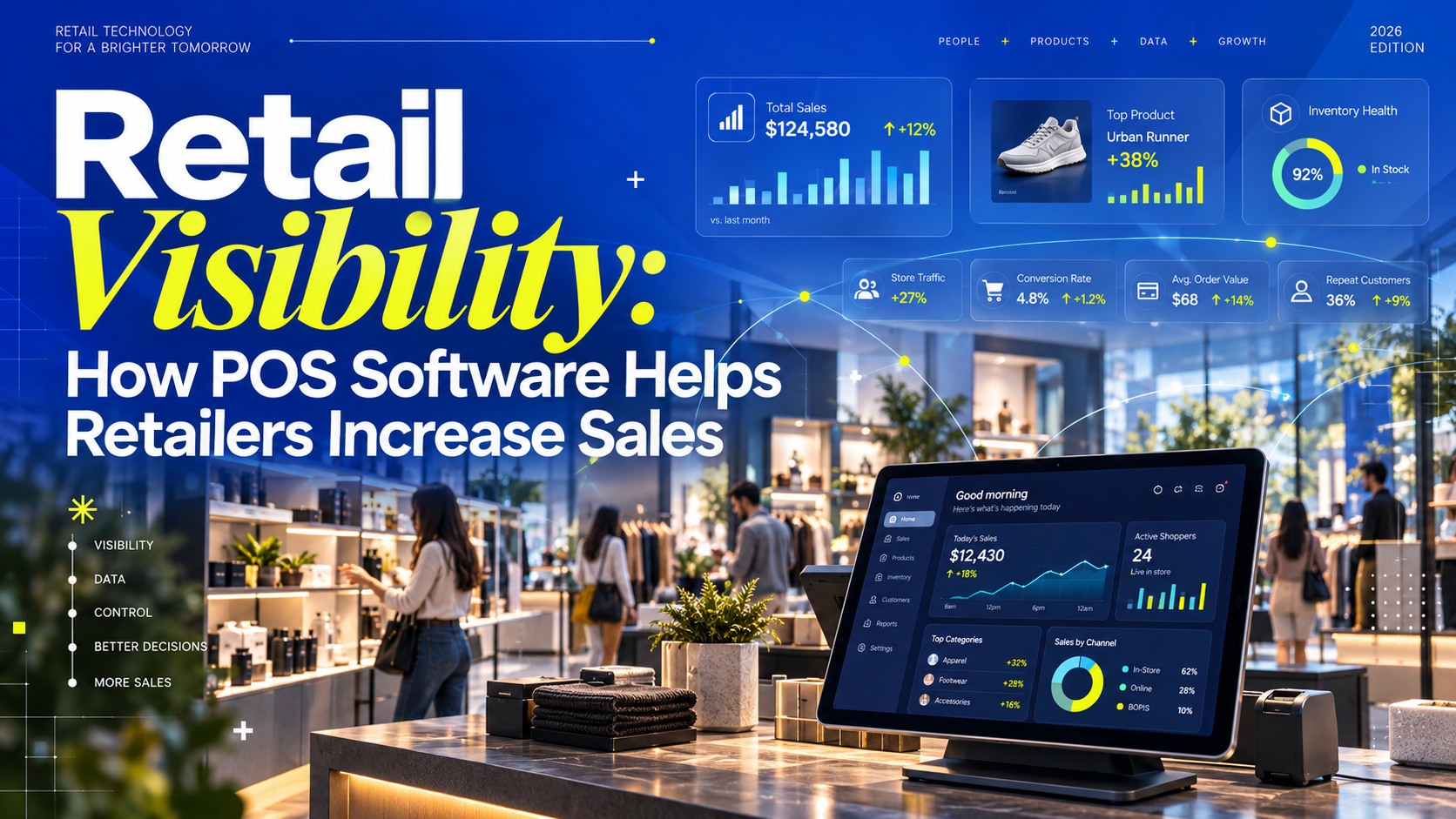
Poor retail visibility hides lost sales. Learn how a connected retail POS system brings sales, stock, customers, and branches into one view, and which daily checks turn those reports into decisions.
Learn how to build an MVP that investors will actually fund by validating key assumptions with real user data, focusing on traction instead of unnecessary features.
Looking for the best POS software in Bangladesh? This guide compares the top POS systems for retail stores, restaurants, pharmacies, supermarkets, wholesalers, and gyms. Explore key features, pricing, VAT/Mushak compliance, offline functionality, and industry-specific recommendations to choose the right POS solution for your business in 2026.




 We’re happy to sign an NDA upon request.