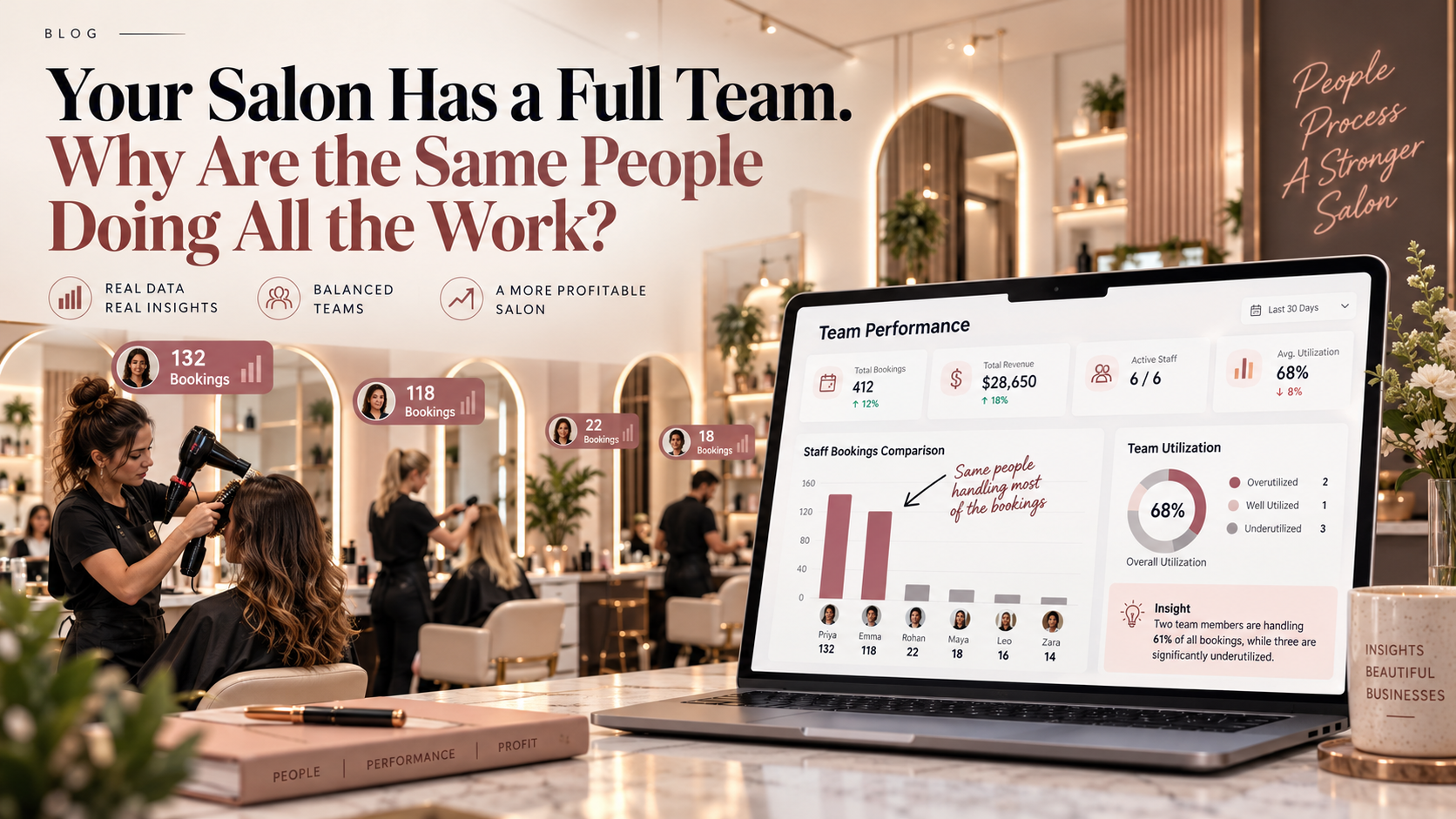
Attendance lists only show who clocked in, not who is overloaded with back-to-back appointments or sitting underbooked.
Relying on reception memory often funnels requests to the same few stylists, causing burnout and high staff turnover.
Automated appointment distribution matches qualified artists to service requests based on real-time chair availability.
Connecting scheduling, service duration buffers, and staff performance metrics increases salon capacity without hiring more people.
A salon management system helps owners see a problem that a staff list alone cannot reveal: having a full team does not always mean having a fully productive team.
Picture a beauty studio with ten expert makeup artists. During busy hours, the same six handle most appointments while the others receive fewer assignments. Customers wait, certain artists feel overloaded, and the owner struggles to understand why the salon still cannot take more bookings.
The solution is not automatically hiring more people. First, you need to understand how your existing team works.
A Full Staff List Does Not Tell the Whole Story
Attendance answers one question: who came to work?
It does not necessarily answer:
Who has appointments assigned?
Who is available for the next customer?
Who is handling back-to-back services?
Who has the right skills for an unassigned booking?
Who needs training or better access to appointments?
Someone may be present but underbooked. Another employee may appear less active because they handle longer treatments. A third may spend time assisting colleagues without receiving credit in a sales report.
Without that context, owners risk confusing low visibility with low contribution.
Before: The Same Staff Get Busier While Others Stay Underused
Consider an illustrative salon where reception staff assign appointments from memory.
They know certain artists well, so those names come up first. Regular customers request familiar stylists. Walk-ins are passed to whoever looks available. Meanwhile, another qualified team member has an open schedule that nobody checks.
By the end of the day, some employees are exhausted while others have completed fewer services.
The owner sees an uneven result but cannot easily identify the cause.
Was it customer preference? Different working hours? A booking mistake? A skills gap? Or an unfair assignment pattern?
Hiring another artist would not necessarily fix any of those problems.
After: A Clearer View of Who Is Available and Who Is Overloaded
A useful salon staff management workflow connects appointments, availability, service assignments, and completed work.
Instead of asking, “Who usually handles this?” reception can ask, “Who is qualified, available, and has enough time?”
That changes the conversation.
Managers can investigate scheduling gaps before assuming someone is unproductive. Staff can understand their assignments more clearly. Owners can identify whether the business needs more employees or better coordination.
The goal is not to keep every person constantly busy. It is to match work with capacity without sacrificing service quality.
What Should a Salon Staff Dashboard Show?
The creative highlights individual team KPIs, or key performance indicators. However, a percentage alone cannot explain performance unless its calculation is clear.
A practical dashboard should answer specific operational questions:
What to review
What it helps you understand
Available working hours
How much time each employee could reasonably be booked
Scheduled service hours
How much of that availability has appointments
Completed appointments
Which bookings actually became completed services
Service duration
Whether different treatment lengths explain workload differences
Service revenue
The sales recorded against assigned work
Cancellations and no-shows
Whether empty time came from customer changes
Assistance and training duties
Contributions that appointment counts might miss
Compare employees fairly. A makeup artist handling one long bridal appointment should not automatically rank below someone completing several short services.
Better Staff Management Starts With Better Assignment
A salon management system is most useful when the team follows a consistent assignment process.
Check skills before availability
An open calendar does not mean someone is qualified for every service. Match appointments with the right expertise first.
Check the complete appointment duration
Include preparation, consultation, cleanup, and necessary breaks. Filling every visible gap can create delays later.
Make reassignment clear
If an appointment moves to another artist, update the shared record. Do not leave the change only in a private message.
Review uneven workloads
Look for repeated patterns rather than judging one quiet afternoon. Customer preferences and service demand can create legitimate differences.
Recognize supporting work
Training junior staff, preparing stations, and assisting with complex services also contribute to the business.
This approach makes staff accountability more balanced. Employees can see not only what is expected, but also how their work is recognized.
How Better Coordination Can Support Sales Growth
An underused appointment slot is an opportunity only when there is demand, a qualified employee, and enough time to deliver the service properly.
Better visibility helps owners identify those opportunities.
For example, a receptionist may discover that another qualified artist can accommodate a walk-in instead of turning the customer away. A manager may notice that one service needs additional training coverage. An owner may identify that certain shifts need adjustment rather than additional hiring.
These improvements can support revenue growth, but they do not guarantee a particular sales increase.
Keep revenue and profit separate, too. More completed appointments may increase sales, while profitability still depends on staffing costs, products, discounts, and other expenses.
Before and After: From Guesswork to Clearer Decisions
Before
A better-managed workflow
Appointments assigned from memory
Assignments checked against skills and availability
The same employees repeatedly overloaded
Workload patterns reviewed across the team
Attendance treated as productivity
Contribution assessed using relevant context
Schedule changes shared privately
Changes recorded where the team can see them
Hiring decisions based on pressure
Hiring considered alongside existing capacity
Performance conversations based on impressions
Discussions supported by understandable records
This is the real transformation: not simply displaying staff names on a screen, but making everyday decisions easier to explain and improve.
What to Test Before Choosing Salon Management Software
Ask the provider to demonstrate your actual staff workflow.
Can the system show availability for a particular service? Can reception reassign an appointment without losing its history? Can managers distinguish scheduled work from completed services? Are performance figures clearly defined?
Also check whether staff permissions, training, and reporting fit your business.
A polished dashboard is useful only when the information behind it is accurate and your team knows how to maintain it.
Frequently Asked Questions
Can a salon management system improve staff productivity?
It can support better coordination by making schedules, assignments, and workload easier to review. Results depend on the software’s capabilities and how consistently the team uses it.
Should salon staff be ranked only by sales?
No. Working hours, service duration, customer requests, assistance, and training responsibilities all affect how sales figures should be interpreted.
Does an underbooked employee mean the salon hired too many people?
Not necessarily. Uneven assignments, limited service demand, skills coverage, or scheduling problems may explain the gap.
Build a Better-Coordinated Team Before Building a Bigger One
Your next growth opportunity may already be inside your salon.
Before hiring more staff, look at how appointments are distributed, where capacity goes unused, and why certain employees carry most of the workload.
Explore Glamora by Geekssort to see how connected staff scheduling, automated appointment distribution, and performance dashboards can help your salon team work smarter.
Discover how Elegant Beauty achieved an almost two-thirds increase in revenue by connecting appointment scheduling, POS billing, inventory tracking, and client follow-ups with a salon management system.
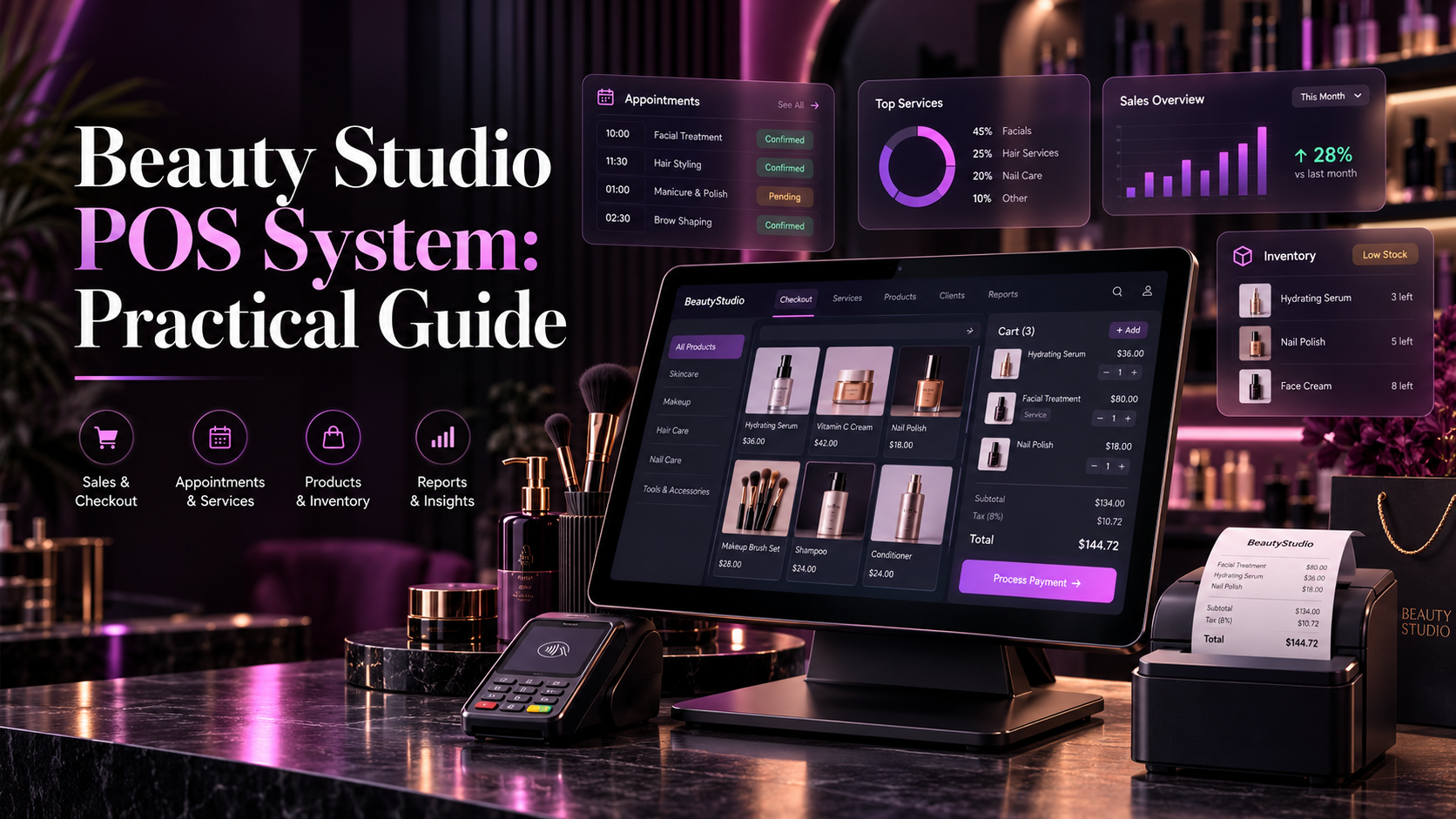
A practical guide to beauty studio POS systems. Learn how connected billing, service invoicing, retail inventory, and local payment verification streamline studio counters.
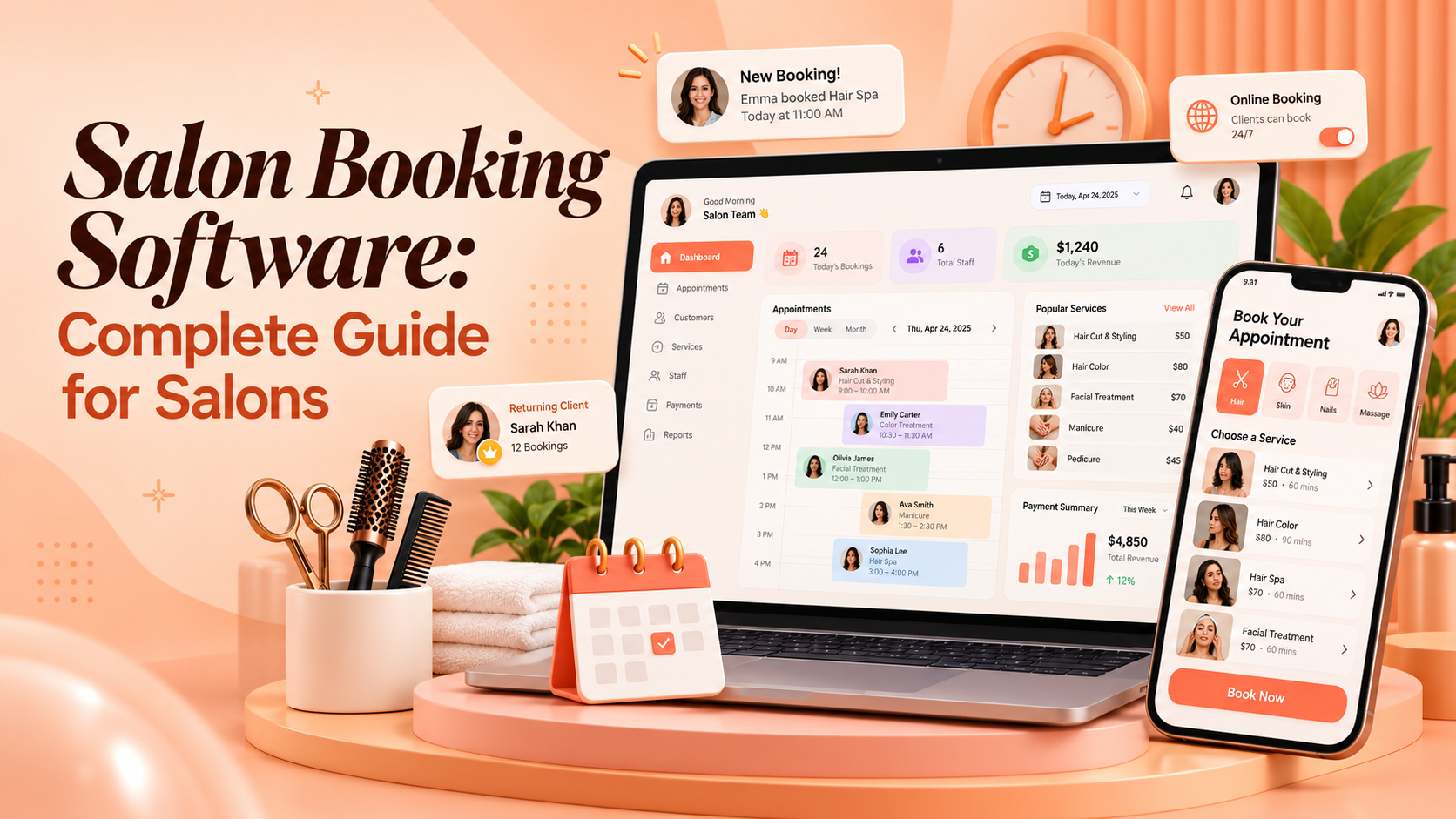
A comprehensive guide to salon booking software. Learn how automated scheduling, staff rosters, online client booking, and appointment reminders reduce salon no-shows.





 We’re happy to sign an NDA upon request.