
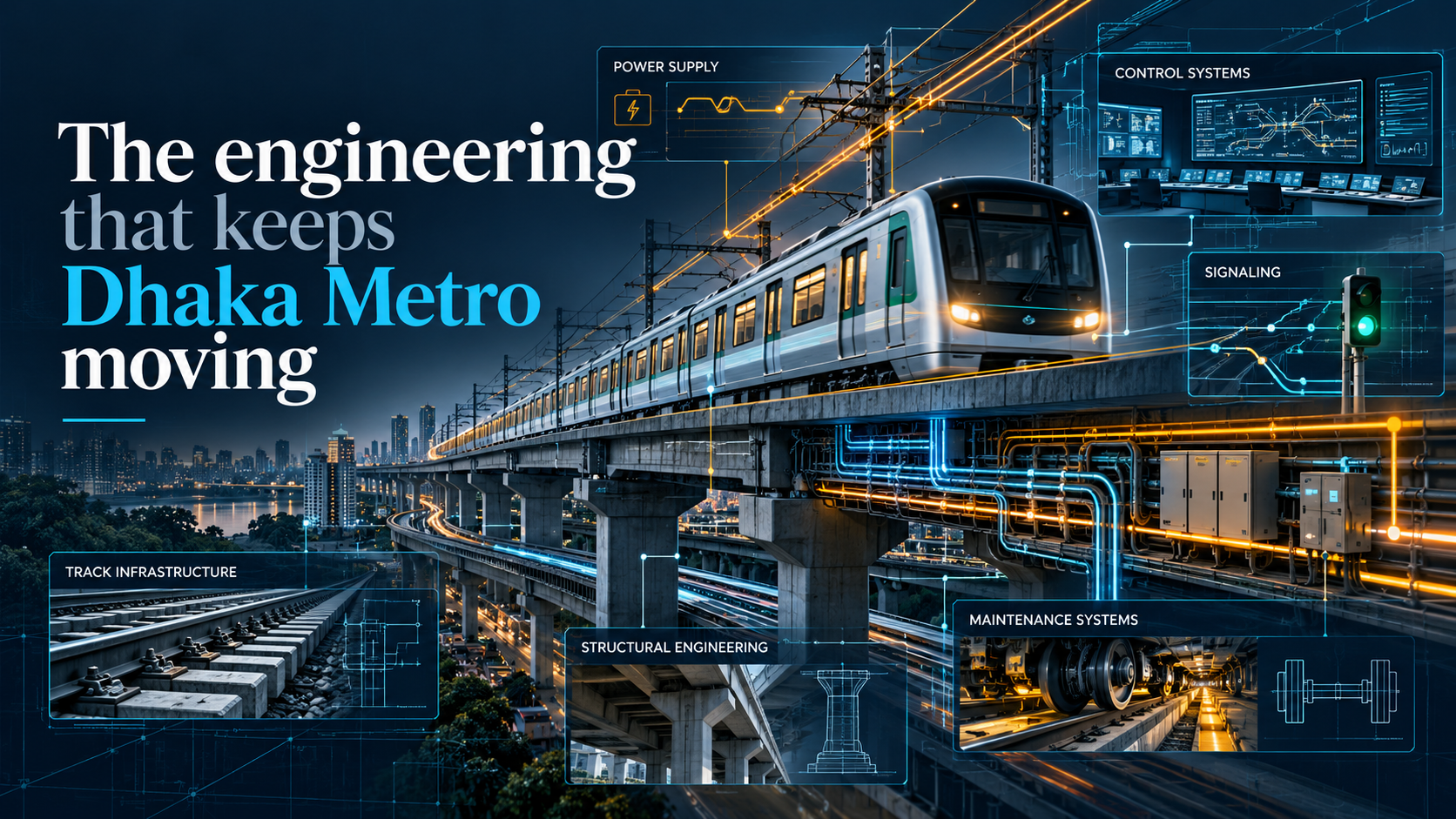
The Engineering That Keeps Dhaka Metro Moving
An in-depth technical analysis of Dhaka Metro Line 6 engineering: from 1500V DC overhead catenary power and regenerative braking to real-time CBTC signalling and SCADA systems.


 By Ebrahim Khan
6 min read
Quick Summary
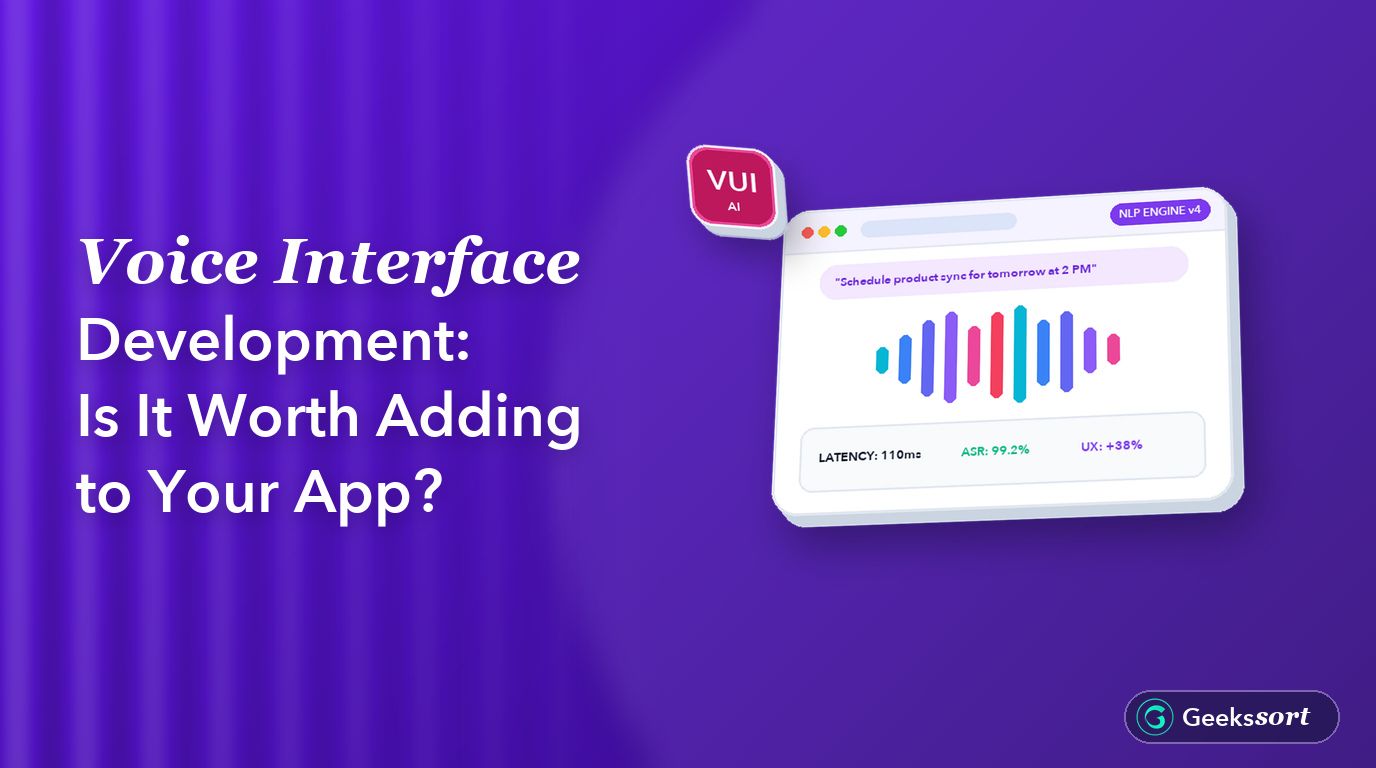
Voice Interface Development allows users to interact with applications using spoken commands instead of taps or clicks. Businesses use voice features to improve accessibility, simplify navigation, and create faster user experiences. However, voice is not the right solution for every application.
Many companies add voice features because they appear innovative. Successful businesses take a different approach. They implement Voice Interface Development only when it solves a real user problem and improves the overall experience.
Voice Interface Development focuses on building applications that understand spoken language and respond naturally.
Most voice-enabled applications combine several technologies, including:
Together, these technologies allow users to communicate with software using natural conversation instead of traditional interfaces.
Modern users expect fast and convenient interactions.
Typing is not always practical while driving, cooking, exercising, or multitasking.
Voice Interface Development creates hands-free experiences that improve accessibility and efficiency.
Businesses also benefit because voice interactions can:
These advantages make voice interfaces valuable in the right situations.
A typical voice interaction follows a simple workflow.
User Speaks
│
▼
Speech Recognition
│
▼
Natural Language Processing
│
▼
Application Logic
│
▼
Voice or Screen Response
Each stage converts spoken language into meaningful actions that the application can perform.
Mobile apps are one of the largest users of Voice Interface Development.
Voice commands help users complete tasks without touching the screen.
Examples include:
These interactions improve convenience while reducing user effort.
Healthcare organizations increasingly adopt Voice Interface Development to improve patient care and clinical efficiency.
Doctors and nurses can:
Hands-free interaction allows healthcare professionals to focus more on patients and less on manual data entry.
Many businesses now integrate Voice Interface Development into customer service platforms.
AI-powered voice assistants help customers:
These systems reduce waiting times while improving customer satisfaction.
Smart homes rely heavily on Voice Interface Development to simplify everyday tasks.
Users can control connected devices using natural voice commands.
Common actions include:
Voice control improves convenience while reducing manual interaction.
Businesses invest in Voice Interface Development because it improves usability and customer engagement.
Voice commands reduce the number of steps needed to complete tasks.
Users interact with applications more naturally and efficiently.
Voice Interface Development makes applications easier to use for people with physical or visual disabilities.
Hands-free interaction creates a more inclusive user experience.
Users often complete simple actions faster by speaking than by navigating menus.
This improves productivity in both consumer and business applications.
Natural conversations create more interactive experiences.
Well-designed voice interfaces encourage users to return more frequently.
Although Voice Interface Development offers many benefits, businesses should understand its limitations.
Different accents, languages, and background noise can affect recognition quality.
Applications should handle misunderstandings gracefully.
Voice-enabled applications process sensitive user information.
Businesses must protect recordings and comply with privacy regulations.
Natural conversations are difficult to design.
Applications should understand different ways users ask the same question.
Poor conversational design quickly frustrates users.
Voice interfaces require continuous improvement.
AI models, vocabulary, and user behavior change over time.
Regular updates improve recognition and customer satisfaction.
Businesses often compare Voice Interface Development with traditional graphical interfaces.
| Feature | Voice Interface Development | Traditional Interface |
| Hands-Free Operation | Excellent | No |
| Accessibility | High | Moderate |
| Speed for Simple Tasks | Fast | Moderate |
| Complex Data Entry | Limited | Excellent |
| Learning Curve | Low | Low |
| Visual Information | Limited | Excellent |
Voice interfaces complement traditional interfaces rather than replacing them.
Many successful applications combine both approaches.
Voice Interface Development works best when users need:
These scenarios often deliver measurable business value.
Not every application benefits from voice interaction.
Traditional interfaces may be better when users need:
Voice should enhance the experience, not complicate it.
A healthcare provider wanted to reduce administrative work during patient consultations.
The organization implemented Voice Interface Development for clinical documentation.
Doctors dictated patient notes while examining patients.
The application converted speech into structured medical records.
The results included:
The project succeeded because voice solved a specific workflow challenge.
Answer these questions before investing in Voice Interface Development.
| Question | Yes | No |
| Users benefit from hands-free interaction? | ✅ | |
| Accessibility is a priority? | ✅ | |
| Voice commands improve productivity? | ✅ | |
| Mobile usage is high? | ✅ | |
| Complex visual workflows dominate? | ✅ | |
| Detailed manual data entry required? | ✅ | |
| Voice adds little business value? | ✅ |
If most answers appear in the first column, Voice Interface Development may improve your application.
Voice Interface Development creates better user experiences when it solves genuine user problems. It improves accessibility, supports hands-free interaction, and speeds up common tasks.
However, voice should complement traditional interfaces rather than replace them. Applications that rely on detailed visual workflows often benefit from a hybrid approach.
Businesses should evaluate user needs before investing in voice features. When implemented strategically, Voice Interface Development can increase engagement, improve efficiency, and strengthen customer satisfaction.
Thinking about adding Voice Interface Development to your application?
GeeksSort builds intelligent voice-enabled applications that improve usability without adding unnecessary complexity. Our team helps businesses design voice experiences that deliver measurable value.
Our Services Include:
Build smarter applications with voice experiences designed around your users.
📞 +880 1341-869125 🌐www.geekssort.com
Voice Interface Development involves creating applications that understand spoken language and respond through voice or on-screen actions. These systems combine speech recognition, natural language processing, and artificial intelligence to provide hands-free interaction.
Healthcare, customer service, retail, logistics, banking, automotive, and smart home companies often benefit from Voice Interface Development because voice interactions improve efficiency and customer convenience.
No. Voice Interface Development works best alongside traditional interfaces. Voice improves speed and accessibility, while graphical interfaces remain better for complex tasks and detailed information.
The cost depends on the application’s complexity, supported languages, AI capabilities, and third-party integrations. Simple voice assistants cost less than enterprise conversational platforms.
Yes, when designed correctly. Secure authentication, encrypted communication, and privacy compliance help protect voice data and user information.
If users benefit from hands-free interaction, accessibility improvements, or faster task completion, Voice Interface Development can create measurable business value.

An in-depth technical analysis of Dhaka Metro Line 6 engineering: from 1500V DC overhead catenary power and regenerative braking to real-time CBTC signalling and SCADA systems.
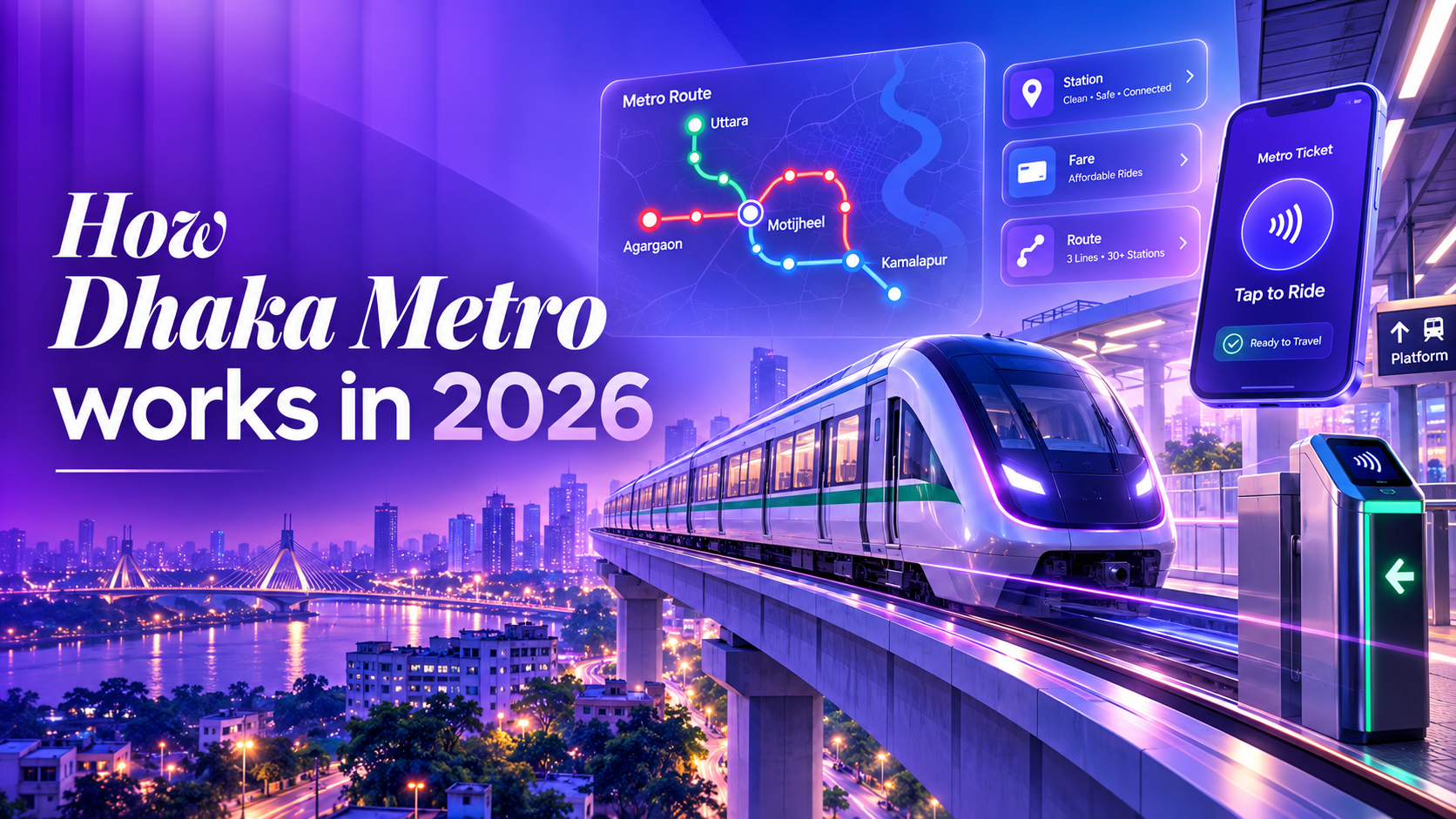
A complete technical and passenger guide to Dhaka Metro in 2026: from smart card ticketing, TVM recharge, and automated fare gates to CBTC signalling and train control.
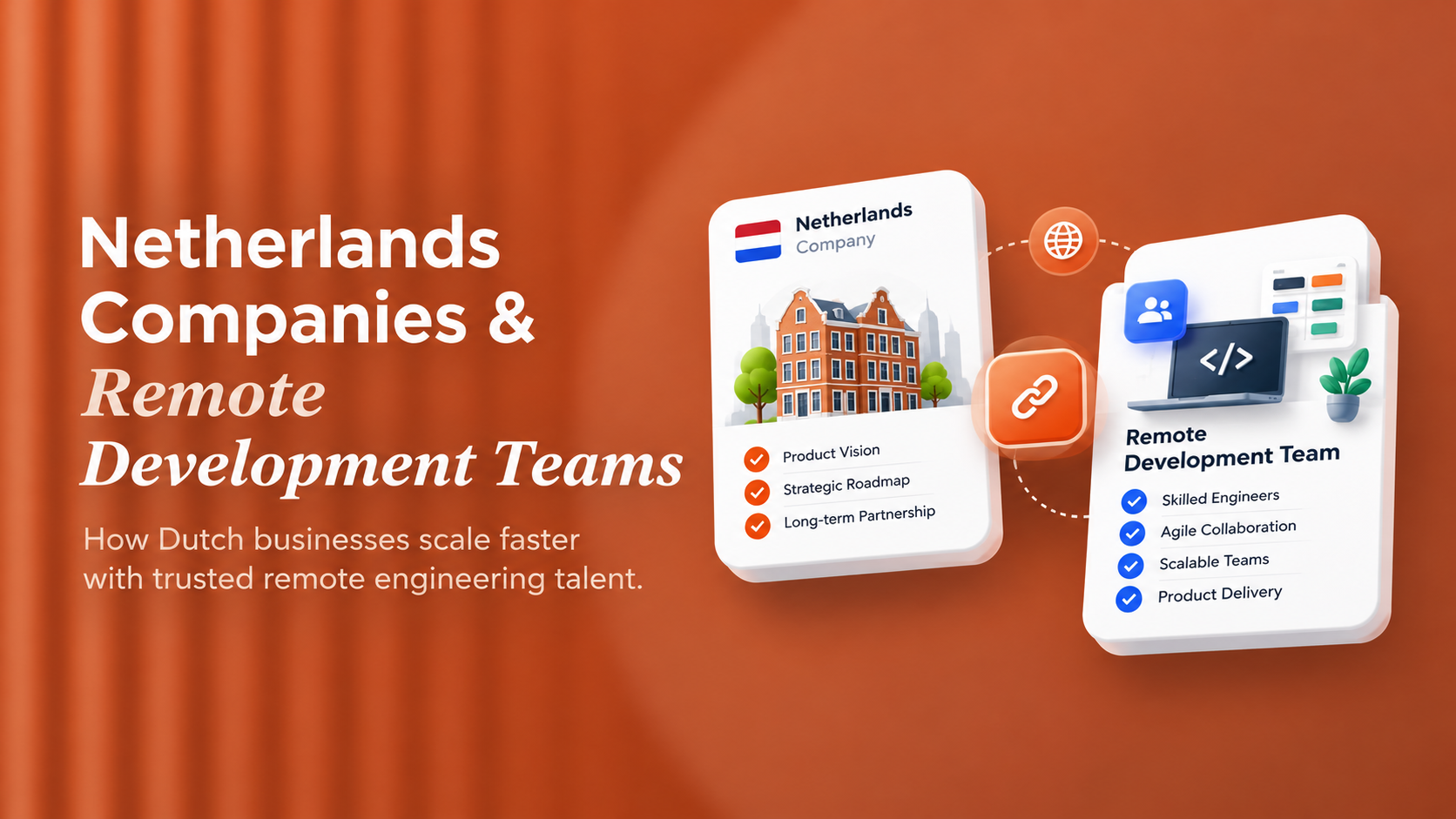
The Netherlands has near-universal English fluency and a persistent shortage of senior engineers in AI, MLOps and cloud infrastructure. Here is why Dutch companies are moving to remote development teams, and what to verify before committing.

Ebrahim KhanFounder & CEO
 We’re happy to sign an NDA upon request.