Compare the top 10 ERP software for fashion and retail businesses in 2026. Explore features, pricing, inventory management, and omnichannel capabilities.
The best ERP software for fashion and retail businesses in 2026 comes from a short list of platforms built around seasonal SKU turnover, size/color matrix tracking, and unified inventory across online and in-store channels, with options like NetSuite, SAP Business One, Odoo, and Infor CloudSuite Fashion leading most shortlists. Which one is the right fit depends on your business size, number of sales channels, and whether you need deep fashion-specific features like PLM, or a well-configured general-purpose retail ERP will cover it.
What to Look for in ERP Software for Fashion and Retail Businesses
Before comparing vendors, it helps to know which features matter most in ERP software for fashion and retail businesses specifically, rather than judging platforms on generic ERP checklists built for manufacturing or distribution.
Matrix Inventory for Size, Color, and Style
Fashion products rarely sell as single SKUs. They sell as combinations of size, color, and style, and an ERP without native matrix inventory support forces awkward spreadsheet workarounds that break down as catalogs grow.
Omnichannel Order and Inventory Sync
Retailers selling across a physical store, an online storefront, and marketplaces need real-time stock visibility so a sale in one channel doesn’t oversell inventory reserved in another.
Seasonal Planning and Demand Forecasting
Apparel businesses live and die by getting seasonal buying right. Built-in forecasting tools help avoid both stockouts on bestsellers and markdown-heavy overstock at the end of a season.
Top 10 ERP Software for Fashion and Retail Businesses
Here are ten of the strongest options for ERP software for fashion and retail businesses in 2026, ranging from fashion-specific suites to flexible general-purpose platforms configured for retail.
A comprehensive cloud ERP that pairs financials, inventory, and order management with strong omnichannel retail modules, popular with mid-market and growing apparel brands that have outgrown entry-level tools.
An enterprise-grade platform suited to larger retail chains and wholesalers that need deep financial controls alongside inventory and supply chain management.
An open-source, highly modular ERP where retailers pick and pay for only the apps they need, including point of sale, inventory, and e-commerce modules.
Purpose-built for apparel and footwear, with native support for style/color/size matrices, PLM, and fashion-specific supply chain workflows.
6. Aptean Apparel and Fashion PLM
Focused heavily on product lifecycle management for fashion brands, from design and sourcing through to production, often paired with a separate financial ERP.
7. Brightpearl by Sage
A retail-first ERP built around omnichannel order management, automation, and inventory, aimed at fast-growing direct-to-consumer and wholesale brands.
8. Cin7 Core
An inventory-first platform with strong multichannel selling and manufacturing features, a common choice for smaller apparel and accessories brands.
9. Zoho Inventory / Zoho One
An affordable, easy-to-deploy option for small and mid-sized retailers that need solid inventory and order management without heavy implementation overhead.
10. Katana Cloud Manufacturing
Best suited to fashion brands that manufacture in-house, with live inventory tracking tied directly to production orders and material availability.
The right ERP software for fashion and retail businesses is the one that matches your channel mix and catalog complexity, not necessarily the biggest name on the list. A single-location boutique selling through one online store has very different needs than a multi-brand wholesaler managing hundreds of retail accounts.
Conclusion
There’s no single best ERP software for fashion and retail businesses, only the platform that fits your channel mix, catalog size, and growth stage today and over the next few years. Shortlist two or three candidates from this list, run a real product catalog through a trial, and let the fit with your actual workflows make the final call.
NEED HELP CHOOSING OR IMPLEMENTING AN ERP? GeeksSort helps fashion and retail businesses evaluate, configure, and integrate ERP systems with their existing e-commerce and POS stack. Tell us about your catalog and channels and we’ll help you shortlist the right fit.📞 +880 1341-869125 🌐 www.geekssort.com
FREQUENTLY ASKED QUESTIONS
What is the best ERP software for a small fashion retail business?
For small or single-location fashion retailers, lighter platforms like Zoho Inventory, Cin7 Core, or Odoo tend to offer the best balance of cost and functionality without the implementation overhead of enterprise systems like SAP.
Do fashion brands need an industry-specific ERP, or can a general ERP work?
A general-purpose ERP can work well if it supports matrix inventory (size, color, style) and integrates cleanly with your sales channels. Brands with complex product development and sourcing workflows tend to benefit more from fashion-specific systems like Infor CloudSuite Fashion or Aptean.
How long does it take to implement an ERP for a retail business?
Implementation timelines range from a few weeks for lightweight cloud ERPs to six months or more for enterprise systems with complex data migration and multiple integrations.
Can ERP software handle both online and in-store retail sales?
Yes, most modern retail ERPs are built around omnichannel order and inventory sync, keeping stock levels accurate across a physical store, an online storefront, and marketplaces in real time.
What features matter most when comparing retail ERP systems?
Matrix inventory support, real-time omnichannel stock sync, and seasonal demand forecasting tend to matter most for apparel and retail businesses specifically, more than generic manufacturing or distribution features.
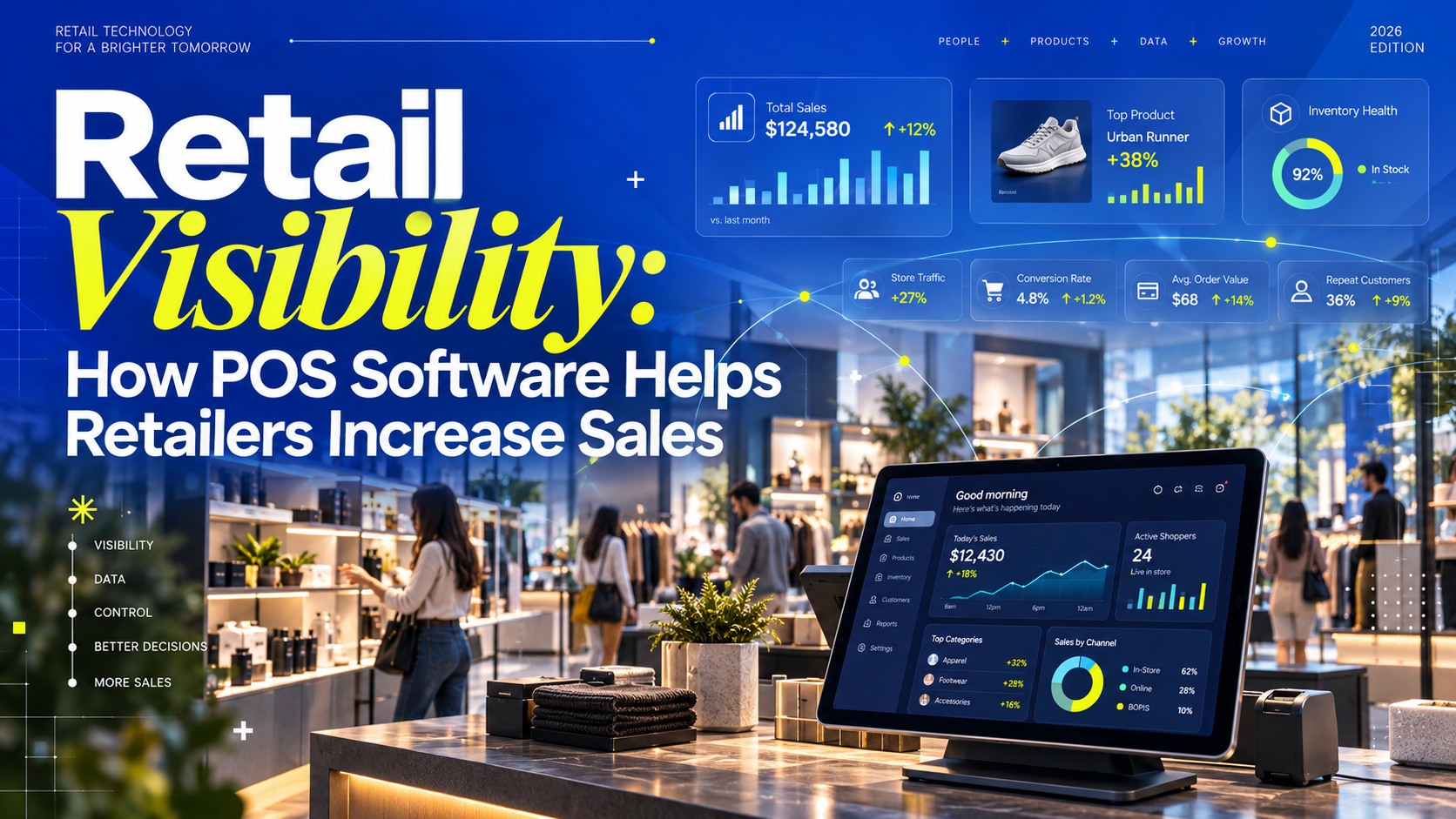
Poor retail visibility hides lost sales. Learn how a connected retail POS system brings sales, stock, customers, and branches into one view, and which daily checks turn those reports into decisions.
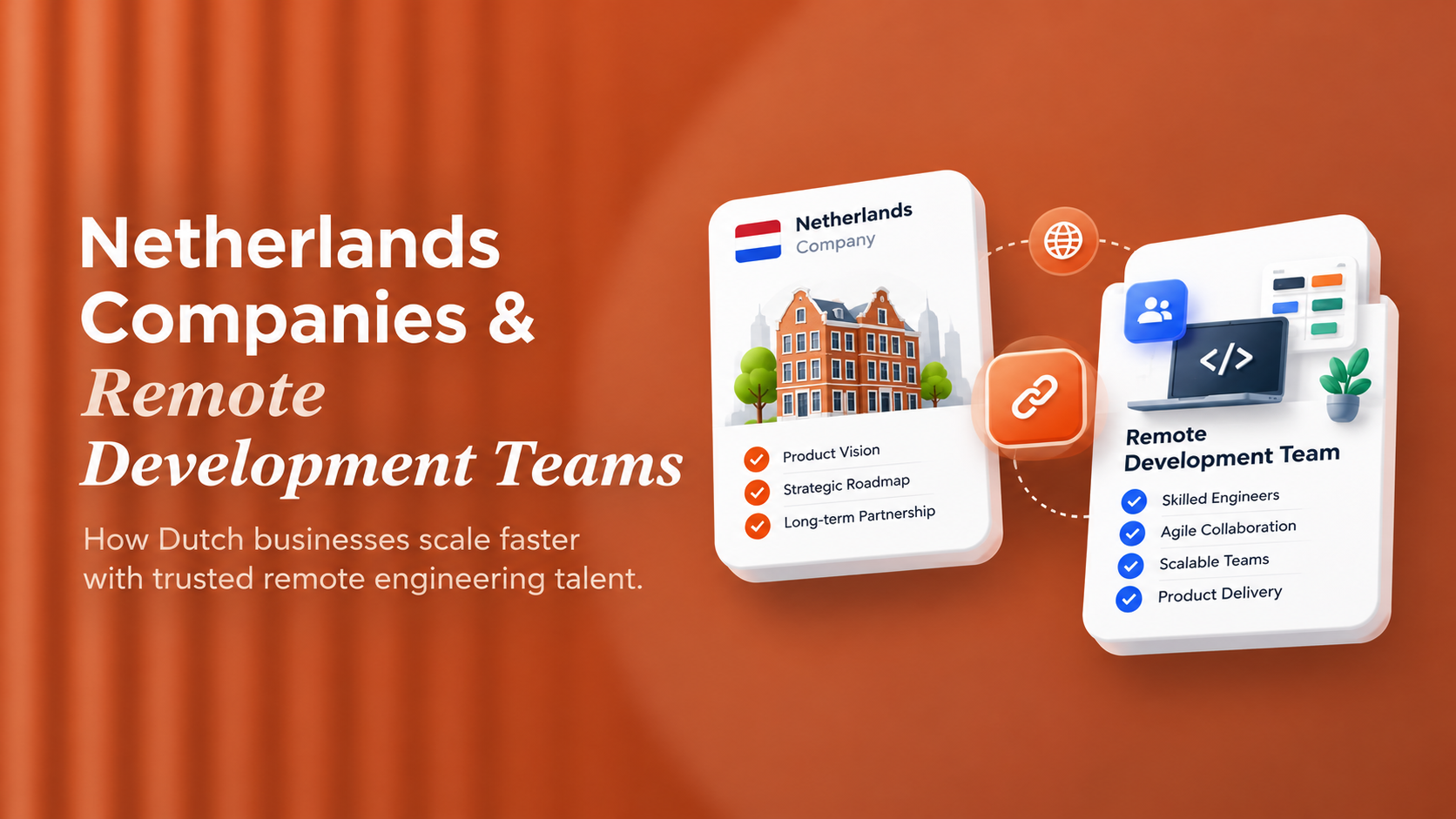
The Netherlands has near-universal English fluency and a persistent shortage of senior engineers in AI, MLOps and cloud infrastructure. Here is why Dutch companies are moving to remote development teams, and what to verify before committing.




 We’re happy to sign an NDA upon request.